

Introduction
Cairo, the vibrant capital of Egypt, is renowned not only for its pyramids and ancient history but also for its rich Islamic heritage. The city is home to hundreds of mosques in Cairo, ranging from grand historic landmarks to contemporary architectural marvels. These mosques reflect centuries of religious devotion, art, and culture, making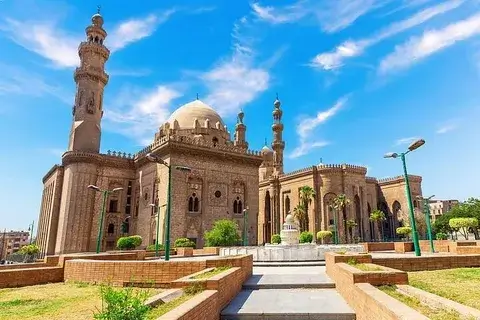 them essential destinations for tourists interested in history, architecture, and spirituality. Visiting Cairo’s mosques allows travelers to explore intricate designs, learn about Islamic traditions, and experience the spiritual atmosphere that defines the city.
The mosques in Cairo span different periods, including Fatimid, Mamluk, Ottoman, and modern eras, offering a timeline of architectural evolution. They serve not only as places of worship but also as centers of learning, culture, and community life. For tourists, these mosques provide an opportunity to appreciate exquisite Islamic artistry, ornate decorations, and historically significant sites, all while understanding the role of Islam in Egyptian society.
Historic Mosques in Cairo
Among the most notable mosques in Cairo are historic landmarks that have stood for centuries. The Mosque of Muhammad Ali, located in the Citadel of Cairo, is one of the city’s most iconic sites. Built in the Ottoman style, it features impressive domes, towering minarets, and intricate interior decorations. The mosque also offers panoramic views of Cairo, making it a favorite destination for tourists.
Another significant mosque is the Mosque of Sultan Hassan, which dates back to the 14th century. It is a masterpiece of Mamluk architecture, known for its monumental size, grand entrance, and exquisite geometric designs. The Al-Azhar Mosque, established in the 10th century, is not only a religious site but also one of the oldest universities in the world, continuing to educate scholars in Islamic studies. These historic mosques highlight the depth of Cairo’s Islamic heritage and the city’s role as a center of religion, learning, and culture for centuries.
Architectural Features of Cairo Mosques
The architecture of mosques in Cairo is a combination of functionality, artistry, and symbolism. Common features include minarets, large domes, courtyards, prayer halls, and intricate mihrabs that indicate the direction of Mecca. Many mosques are decorated with geometric patterns, calligraphy, and arabesque motifs, reflecting the Islamic emphasis on art without depicting human figures.
The use of stone, marble, and wood in mosque construction showcases the skill and craftsmanship of Egyptian architects and artisans over the centuries. Some mosques also include madrasas, libraries, and mausoleums, serving as multifunctional centers for learning, worship, and community gatherings. Visiting these architectural wonders allows tourists to appreciate both the spiritual and artistic aspects of Cairo’s Islamic heritage.
Cultural and Spiritual Significance
Beyond their architectural beauty, mosques in Cairo hold immense cultural and spiritual significance. They are centers of worship, where daily prayers, Friday sermons, and religious festivals take place. These mosques also serve as social and educational hubs, hosting Quranic studies, lectures, and community events.
For tourists, visiting mosques provides insight into Egyptian Islamic culture, traditions, and daily life. Observing prayer rituals, interacting with local worshippers respectfully, and learning about Islamic practices enriches the travel experience. Many mosques in Cairo are open to visitors outside prayer times, allowing for exploration without disturbing religious activities.
Modern Mosques in Cairo
In addition to historic mosques, Cairo also features modern Islamic architectural landmarks. Contemporary mosques combine traditional elements such as domes and minarets with innovative designs, materials, and technology. These mosques accommodate growing urban populations while preserving the spiritual ambiance and cultural identity of Islamic worship.
Modern mosques often include spacious prayer halls, community centers, and educational facilities. They provide both functionality and aesthetic appeal, contributing to Cairo’s dynamic cityscape. Tourists visiting modern mosques can witness how Islamic architecture continues to evolve while maintaining its historical roots and cultural symbolism.
Practical Tips for Tourists
When visiting mosques in Cairo, tourists should dress modestly, covering shoulders and knees, and women may be required to wear a headscarf. Shoes are usually removed before entering prayer halls, and photography should be done respectfully, avoiding times of active worship. Guided tours can provide historical context, architectural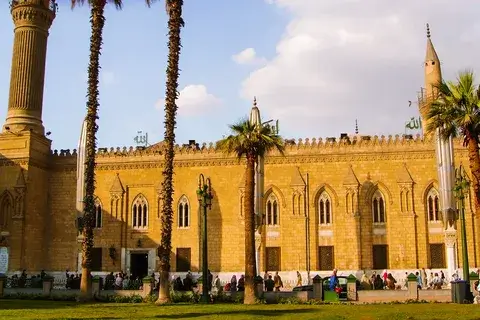 insights, and explanations of religious practices, enhancing the visitor experience.
Many mosques are located in bustling areas of Cairo, so planning transportation and timing visits during non-peak hours ensures a more comfortable experience. Respecting local customs and following mosque rules allows tourists to enjoy their visit without disruptions and promotes cultural understanding.
Best Time to Visit
The best time to explore mosques in Cairo is during the cooler months from October to April. Temperatures are mild, making walking between sites and urban exploration more comfortable. Visiting during religious festivals such as Ramadan or Eid provides a unique cultural experience, allowing tourists to witness vibrant celebrations and special prayers, though some mosques may be more crowded during these periods.
FAQs
Which mosque in Cairo is the most famous?
The Mosque of Muhammad Ali in the Citadel is one of the most iconic and visited mosques.
Are tourists allowed inside mosques in Cairo?
Yes, most mosques welcome visitors outside prayer times, but modest dress and respectful behavior are required.
Do mosques in Cairo charge an entrance fee?
Some historic mosques may charge a small fee, while many modern and active mosques are free to enter.
Can women visit all mosques in Cairo?
Yes, women are welcome but may need to wear a headscarf and dress modestly.
Are guided tours available for mosques?
Yes, many mosques offer guided tours or you can hire a local guide for historical and cultural explanations.
What is the best time of day to visit mosques?
Morning or early afternoon is ideal, avoiding peak prayer times for a more relaxed visit.