Introduction
The Sinai Peninsula is one of Egypt’s most captivating regions, known for its dramatic mountains, golden deserts, and crystal-clear Red Sea coastline. Among its most intriguing inhabitants are the Bedouins of Sinai, a nomadic people with a rich cultural heritage that has been preserved over centuries. Bedouin communities in Sinai are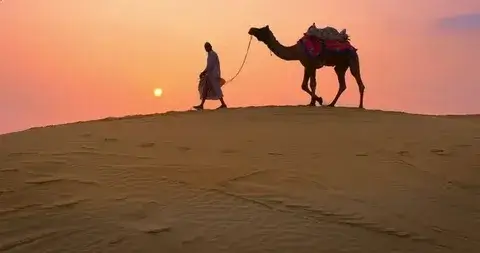 renowned for their hospitality, unique traditions, and intimate knowledge of the desert landscape. Visiting these communities offers tourists a rare opportunity to experience an authentic lifestyle deeply connected to the natural environment, far from the bustle of urban centers.
The Bedouins have historically adapted to life in harsh desert conditions, relying on herding, trading, and resourceful survival skills. Their knowledge of desert routes, medicinal plants, and survival techniques is passed down through generations, making them not only resilient but also custodians of a unique cultural heritage. Tourists visiting Sinai can interact with the Bedouins, learn about their way of life, and participate in cultural activities such as traditional meals, music, and storytelling.
Traditional Bedouin Lifestyle
The Bedouins of Sinai maintain a lifestyle that has changed little over centuries. Many still live in tents or simple stone structures, moving seasonally to access grazing land for their livestock, which typically includes goats, sheep, and camels. Nomadic life requires adaptability and resilience, and Bedouin families often rely on each member to contribute to daily survival tasks. Women traditionally manage household duties, weaving, and food preparation, while men focus on herding, trade, and desert navigation.
Visitors to Sinai often have the chance to experience Bedouin hospitality firsthand. Guests are traditionally welcomed with tea, coffee, or local dishes, served in a gesture of respect and friendship. Participating in a Bedouin meal offers insight into local customs, ingredients, and cooking methods, often centered around freshly baked bread, grilled meats, and aromatic herbs. These experiences provide tourists with a unique connection to the Bedouin way of life.
Cultural Traditions and Arts
The Bedouins of Sinai are known for their rich cultural traditions, including music, dance, and storytelling. Traditional songs and dances are performed during weddings, celebrations, and social gatherings, often accompanied by drums and stringed instruments. Storytelling is a central part of Bedouin culture, passing down history, legends, and moral lessons from one generation to the next.
Bedouin crafts are another important aspect of their cultural heritage. Women often weave rugs, carpets, and decorative items using traditional techniques and natural dyes. Jewelry, embroidery, and beadwork are also common, with patterns and symbols reflecting tribal identity and local history. Tourists can purchase authentic Bedouin handicrafts as souvenirs, supporting local communities while gaining insight into centuries-old artisanal skills.
Desert Survival and Knowledge
One of the most fascinating aspects of the Bedouins of Sinai is their deep understanding of the desert 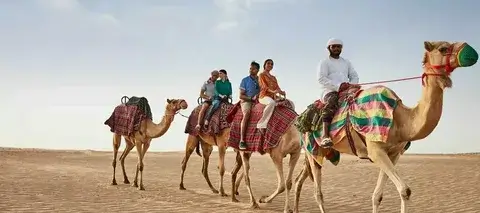 environment. They know how to locate water sources, identify edible plants, and navigate using natural landmarks and stars. This knowledge has allowed them to survive in one of the harshest landscapes on Earth and has been invaluable for travelers exploring the region.
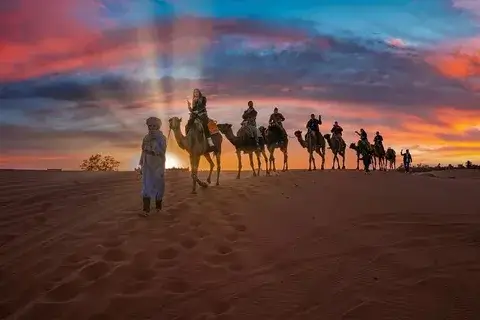
Tourists participating in desert excursions often rely on Bedouin guides for safe navigation. Camel treks, hiking in the mountains, and visits to remote areas are enhanced by the guides’ expertise, ensuring both safety and a richer understanding of the natural surroundings. Learning from the Bedouins provides an authentic perspective on desert life and sustainable living in challenging environments.
Bedouin Tourism Experiences
Tourism in Sinai increasingly focuses on offering Bedouin experiences that are respectful and culturally sensitive. Visitors can stay overnight in traditional tents or desert camps, enjoy meals prepared with local ingredients, and participate in cultural activities. Some tours include camel rides, mountain hikes, and visits to Bedouin villages, providing immersive encounters with daily life in the desert.
Eco-tourism initiatives encourage tourists to engage with Bedouin culture while preserving their environment and traditions. Tour operators work closely with communities to ensure that tourism benefits local livelihoods without disrupting cultural authenticity. These experiences allow travelers to gain meaningful insights into Bedouin culture while enjoying the natural beauty of Sinai.
Practical Tips for Tourists
When interacting with the Bedouins of Sinai, tourists should dress modestly, respect local customs, and ask for permission before taking photographs. Engaging with the community respectfully ensures positive interactions and cultural appreciation. Visitors are encouraged to participate in activities such as meals, music, or guided walks, but should follow the guidance of hosts to avoid unintended disruptions.
Travelers should also be prepared for desert conditions, bringing sun protection, comfortable clothing, and plenty of water. Booking tours through reputable operators ensures safety and provides context about local culture, history, and geography. Understanding and appreciating Bedouin life adds depth to any visit to the Sinai Peninsula.
Best Time to Visit
The most comfortable time to experience the Bedouins of Sinai is between October and April, when temperatures are cooler, making desert treks and outdoor activities more enjoyable. Summer months can be extremely hot, particularly in the interior deserts, so early morning or late afternoon excursions are recommended. Visiting during local festivals or traditional gatherings offers a unique cultural perspective, allowing tourists to witness celebrations, music, and rituals firsthand.
FAQs
Can tourists stay overnight in Bedouin camps?
Yes, many tours offer overnight stays in traditional tents with meals and cultural activities included.
Do Bedouins speak English?
Some Bedouins, particularly those involved in tourism, speak basic English, while interpreters or guides may assist.
Are camel rides safe for tourists?
Yes, guided camel treks are safe, with experienced Bedouins ensuring comfort and security.
Can visitors buy Bedouin handicrafts?
Yes, handmade rugs, jewelry, and embroidered items are available and support local communities.
Is it necessary to join a guided tour?
Guided tours are recommended for safety, navigation, and a more authentic experience.
What should tourists wear when visiting Bedouin communities?
Modest clothing, comfortable shoes, and sun protection are recommended, respecting local customs.