Sinai Peninsula Bedouins
Bedouins Sinai
The are among the most distinctive indigenous communities in Egypt, living across the vast desert landscapes of the For centuries, these tribes have preserved a unique cultural identity shaped by desert life, tribal traditions, and strong social bonds. Today, travelers interested in cultural tourism and eco-tourism increasingly seek authentic experiences with Bedouins Sinai communities to better understand their heritage, lifestyle, and deep connection to the land.
i tribes traditionally relied on herding, trade routes, and desert navigation skills. Their knowledge of the terrain, climate, and survival techniques allowed them to thrive in one of the harshest environments in the region. Even in modern times, many families continue to maintain aspects of their nomadic heritage, although some have settled in towns and coastal areas due to economic development and tourism growth.
Bedouins Sinai Culture and Traditions
culture is built around honor, hospitality, and tribal solidarity. Hospitality is considered a sacred duty, and guests are often welcomed with traditional tea brewed over an open fire. Storytelling, poetry, and oral history play an important role in preserving tribal heritage. Music, particularly songs accompanied by simple percussion instruments, remains a vibrant part of Bedouin celebrations and gatherings.
Traditional clothing reflects desert practicality. Men often wear long galabiyas and head coverings to protect against sun and sand, while women’s garments are typically embroidered with symbolic patterns that represent tribal identity. These handcrafted details are not only decorative but also deeply meaningful within Bedouins Sinai society.
Marriage customs, tribal leadership structures, and conflict resolution methods continue to follow long-standing traditions. Tribal elders hold respected positions and mediate disputes through customary law, reinforcing unity within Bedouins Sinai communities.
Bedouins Sinai and Desert Tourism
In recent decades, have become key contributors to eco-tourism and desert tourism in Egypt. Visitors exploring areas like Mount Sinai and Saint Catherine’s Monastery often rely on Bedouin guides for trekking, camel trips, and overnight desert camps. Their expertise ensures safe travel through mountainous terrain and remote valleys.
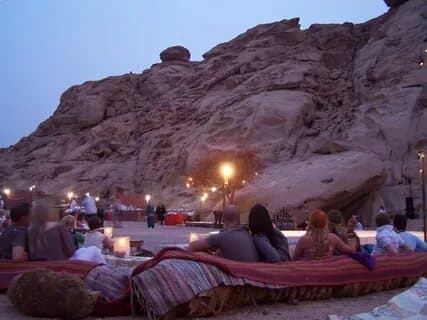
Desert camps operated by Bedouins Sinai families provide travelers with authentic experiences. Guests can enjoy traditional meals cooked in underground sand ovens, learn about desert herbs, and spend evenings under clear starlit skies. These experiences combine adventure with cultural immersion, making Bedouins Sinai tourism increasingly popular among international travelers seeking meaningful journeys.
Sustainable tourism initiatives also support Bedouin communities by promoting responsible travel practices. Many local projects focus on preserving natural resources while providing economic opportunities for Bedouins Sinai youth.
Bedouins Sinai Lifestyle Today
Bedouins Sinai
Modern influences have gradually transformedlife. Education, mobile technology, and improved infrastructure have connected remote areas to urban centers. Some ndividuals work in tourism, trade, or government roles, blending traditional values with contemporary opportunities.
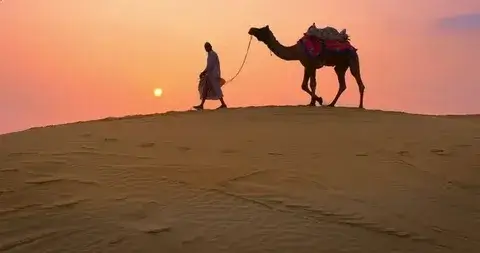
Despite modernization, strong tribal identity remains central. Family ties, respect for elders, and attachment to ancestral lands continue to define society. Camels, once essential for survival and transport, are now often used for tourism activities, symbolizing both heritage and adaptation.
Environmental challenges, including water scarcity and climate conditions, still shape daily life. Bedouins Sinai communities demonstrate resilience by combining inherited desert knowledge with modern solutions to sustain livelihoods.
Visiting Bedouins Sinai Communities
Travelers interested in visiting areas should approach with cultural respect and awareness. Modest dress, permission before photography, and openness to local customs help foster positive interactions. Organized tours led by licensed guides ensure both safety and meaningful engagement.
Popular destinations for Bedouins Sinai experiences include desert valleys near Dahab, mountain trails around Saint Catherine, and coastal camps near Nuweiba. These locations offer a balance between natural beauty and authentic cultural encounters.
Why Bedouins Sinai Matter in Egyptian Tourism
culture represents an essential part of Egypt’s diverse heritage. While ancient monuments often dominate tourism marketing, the living traditions of communities provide equally powerful travel experiences. Cultural exchange fosters mutual understanding and supports sustainable development in remote desert regions.
For travelers seeking adventure, authenticity, and human connection, exploring Bedouins Sinai life offers a deeper perspective on Egypt beyond its famous historical landmarks. The resilience, hospitality, and traditions of Bedouins Sinai continue to shape the character of the Sinai Peninsula and enrich the broader narrative of Egyptian tourism.
Experiencing is not simply about visiting a destination; it is about engaging with a living culture that has adapted to change while preserving its identity. This blend of heritage and modern adaptation makes one of the most compelling cultural experiences in Egypt today.