Philae Temple Visits
Philae Temple Visits
Table of Contents
TogglePhilae Temple Visits: Explore the Island of Ancient Gods
Philae Temple Visits
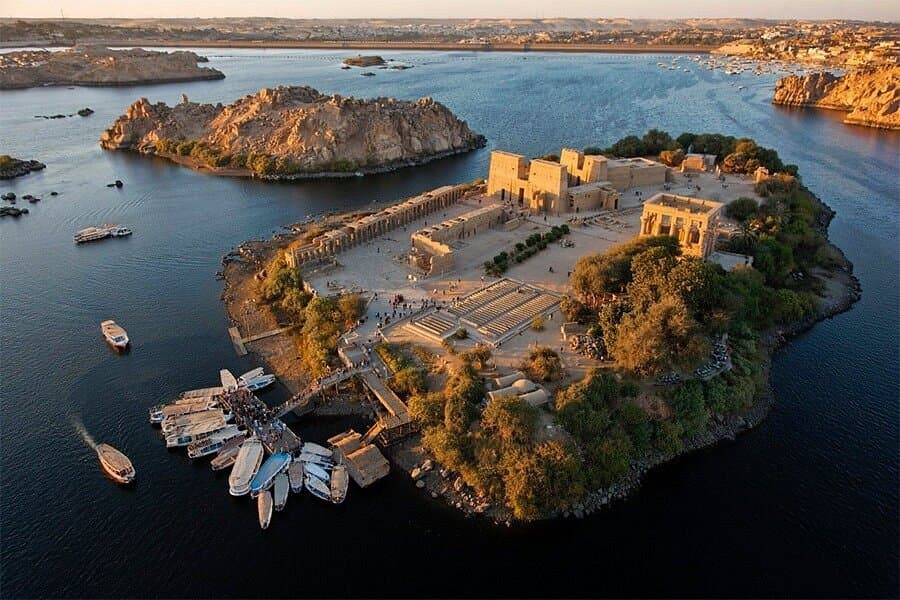
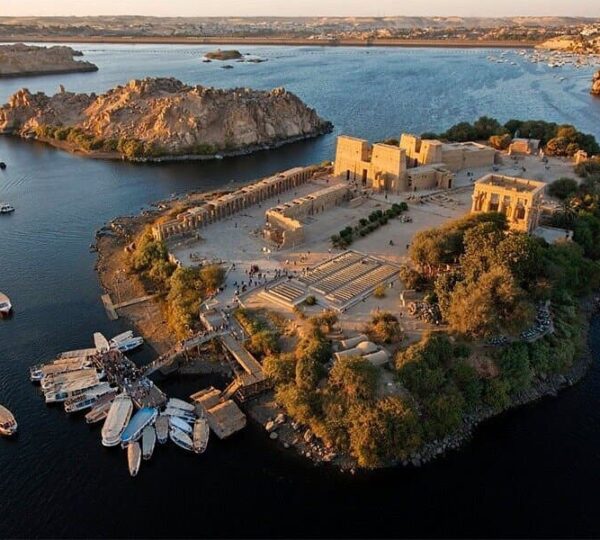
Philae Temple Visits provide travelers with an enchanting journey to one of Egypt’s most beautiful and historically significant temple complexes. Located on Agilkia Island near Aswan, the Philae Temple is dedicated primarily to the goddess Isis, one of the most revered deities of ancient Egypt. Surrounded by the tranquil waters of Lake Nasser, this temple offers a serene setting combined with rich cultural and religious history.
Philae Temple Visits allow travelers to explore magnificent architecture, intricate reliefs, and inscriptions while learning about the spiritual and ceremonial significance of the temple in ancient Egyptian society.
Historical Background of Philae Temple
The main temple on Philae Island was constructed during the Pto, wiAswan High Dam and the flooding of
Between 19, an international campaiAgilkia Island, carefully reconstructing it to preserve its original orientation and design. This relocation is considered one of the greatest archaeological conservation projects of the 20th century.
Key Features of Philae Temple
During Philae Temple Visits, travelers encounter several key attractions:
-
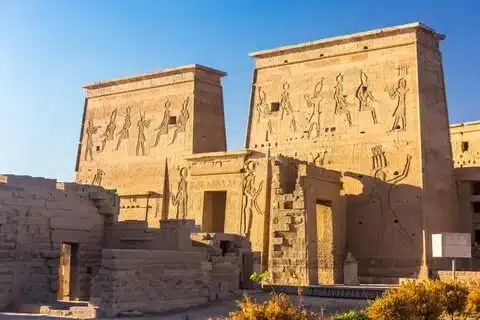
The Temple of Isis: The heart of the complex, featuring beautifully carved reliefs depicting myths, religious ceremonies, and offerings to the goddess Isis.
-
The Kiosk of Trajan: A small, elegant structure with delicate columns and carvings, used for worship and ceremonial processions.
-
Colonnaded Courtyards and Sanctuaries: Visitors can explore the large open spaces adorned with reliefs and inscriptions, reflecting both Ptolemaic and Roman architectural styles.
-
Sacred Lake and Surrounding Landscape: The temple is surrounded by water, enhancing its mystical atmosphere and offering excellent opportunities for photography.
Cultural and Religious Significance
Philae Temple was the final stronghold of ancient Egyptian religion, particularly the worship of Isis. Even after the rise of Christianity, the temple continued to be a spiritual center, with evidence of early Christian symbols carved alongside traditional Egyptian hieroglyphs.
During Philae Temple Visits, guides explain the myths associated with Isis, Osiris, and Horus, providing context for the carvings and reliefs seen throughout the complex. The temple’s role in religious ceremonies and festivals makes it a living representation of ancient Egyptian spirituality.
Best Time for Philae Temple Visits
The best period for Philae Temple Visits is between October and April, when temperatures range between 20°C and 30°C, ensuring comfortable exploration of the open-air temple complex. Early morning visits are ideal to avoid crowds and capture the soft morning light reflecting off the water.
Boat transfers from Aswan’s mainland to Agilkia Island are a key part of the visit and offer scenic views of the Nile and surrounding landscape.
Tips for an Enriching Experience
Philae Temple Visits
To maximize Philae Temple Visits, travelers should:
-
Wear comfortable walking shoes suitable for stone pathways
-
Bring water and sun protection
-
Hire a licensed guide for in-depth historical and cultural explanations
-
Allocate at least 2–3 hours to explore the main temple and surrounding structures
-
Respect preservation rules and avoid touching the ancient carvings
Conclusion
Philae Temple Visits offer an extraordinary combination of beauty, history, and spirituality. From the intricate carvings of the Temple of Isis to the serene waters surrounding Agilkia Island, the temple stands as a testament to the enduring legacy of ancient Egyptian religion. Whether traveling by boat, exploring the colonnades, or learning about Isis and the Ptolemaic period, Philae Temple Visits provide a rich, immersive, and unforgettable experience for anyone exploring southern Egypt.

All Categories
Recent Posts

Hurghada excursions

Hurghada tours

Cairo customized tours