
Abu Simbel Excursions
Abu Simbel Excursions
Table of Contents
ToggleAbu Simbel Excursions: Discover the Majesty of Ancient Nubia
Abu Simbel Excursions
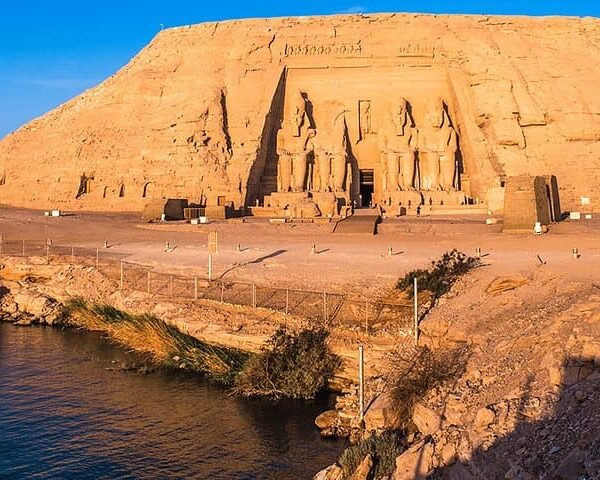
Abu Simbel Excursions are among the most remarkable cultural journeys in southern Egypt, offering travelers the opportunity to witness one of the greatest architectural achievements of the ancient world. Located near the border with Sudan, the monumental temples of Abu Simbel stand proudly on the western bank of Lake Nasser, about 280 km south of Aswan. These temples were carved directly into solid rock during the reign of Ramesses II in the 13th century BC, demonstrating the power and artistic brilliance of ancient Egypt.
For travelers interested in history, archaeology, and monumental architecture, Abu Simbel Excursions provide an unforgettable experience that combines ancient heritage with dramatic desert landscapes.
Historical Significance of Abu Simbel
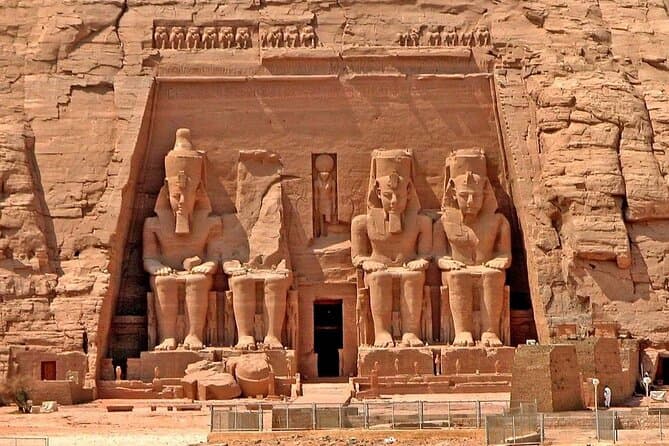
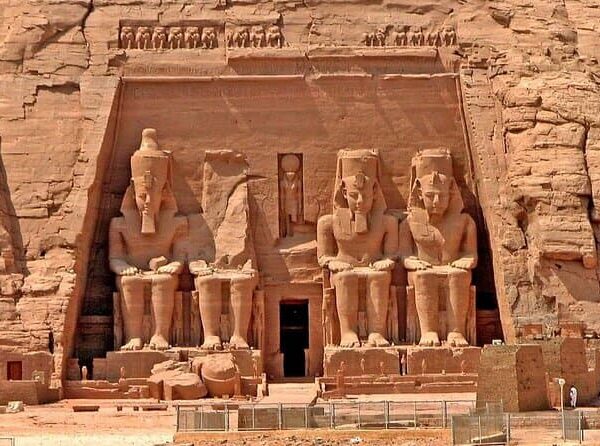
The temples of Abu Simbel were constructed around 1264 BC to celebrate the military victories of Ramesses II and to honor the gods Amun, Ra-Horakhty, and Ptah. The larger temple features four colossal statues of Ramesses II seated at the entrance, each standing approximately 20 meters tall. According to the UNESCO, Abu Simbel forms part of the Nubian Monuments World Heritage Site, recognized for its outstanding universal value and exceptional preservation.
The smaller temple is dedicated to Queen Nefertari, making it one of the few temples in ancient Egypt devoted to a royal wife. This unique dedication highlights the elevated status of Nefertari and adds further cultural importance to Abu Simbel Excursions.
The Relocation Project: A Modern Engineering Marvel
One of the most fascinating aspects included in Abu Simbel Excursions is the story of the temple relocation. During the 1960s, the construction of the Aswan High Dam threatened to submerge the temples beneath the rising waters of Lake Nasser. In response, UNESCO launched an international rescue campaign between 1964 and 1968, carefully cutting the temples into large blocks and relocating them to higher ground.
According to UNESCO reports, this rescue project is considered one of the greatest archaeological engineering efforts of the 20th century. Today, visitors on Abu Simbel Excursions can see the temples reconstructed with remarkable precision, preserving their original orientation and artistic detail.
What to Expect During Abu Simbel Excursions
Most Abu Simbel Excursions depart early in the morning from Aswan, either by road convoy or short domestic flight. The journey typically takes 3–4 hours by car through the Nubian desert. Upon arrival, visitors explore both temples with professional guides who explain the historical symbolism and architectural features.
Inside the Great Temple, travelers can admire detailed wall reliefs depicting the Battle of Kadesh and ceremonial offerings to the gods. One of the most extraordinary phenomena highlighted during Abu Simbel Excursions is the solar alignment event that occurs twice yearly, around 22 February and 22 October, when sunlight penetrates the inner sanctuary and illuminates three of the four seated statues. This alignment demonstrates the advanced astronomical knowledge of ancient Egyptian architects.
Best Time for Abu Simbel Excursions
Abu Simbel Excursions
The ideal season for Abu Simbel Excursions is between October and April, when temperatures are cooler and more comfortable for exploration. Summer temperatures in southern Egypt can exceed 40°C, making early morning visits essential.
Many tours combine Abu Simbel with Nile cruises or extended stays in Aswan, allowing visitors to explore additional attractions such as Philae Temple and Nubian villages.
Why Abu Simbel Excursions Are Essential
For anyone traveling to southern Egypt, Abu Simbel Excursions offer a powerful blend of ancient grandeur and modern preservation efforts. The massive statues of Ramesses II, the elegant temple of Nefertari, and the inspiring UNESCO rescue story make Abu Simbel one of the most impressive monuments in the world.
Beyond its architectural scale, the site reflects the political strength, religious devotion, and artistic excellence of the New Kingdom. Standing before the towering statues at sunrise, visitors gain a profound appreciation for the vision of Ramesses II and the enduring legacy of ancient Egyptian civilization.
With its combination of history, engineering achievement, and breathtaking desert scenery, Abu Simbel Excursions remain one of the most extraordinary travel experiences in Egypt, offering memories that last a lifetime.

All Categories
Recent Posts

Hurghada excursions
Hurghada tours

Cairo customized tours