
Egypt Coral Reefs
Egypt Coral Reefs
Table of Contents
ToggleEgypt Coral Reefs
Egypt Coral Reefs
Egypt Coral Reefs are considered among the most spectacular and resilient reef ecosystems in the world. Stretching along the Red Sea coastline, Egypt Coral Reefs attract marine scientists, divers, and snorkelers who seek vibrant biodiversity and exceptional underwater visibility. The unique environmental conditions of the Red Sea have allowed Egypt Coral Reefs to develop remarkable resistance to temperature changes, making them especially important in global marine conservation discussions.
Geographic Location of Egypt Coral Reefs
are primarily located along the Red Sea coast, extending from the Gulf of Suez to the Sudanese border. Major reef systems can be found near coastal destinations such as Hurghada, Sharm El Sheikh, and Marsa Alam. These areas provide direct access to fringing reefs, barrier reefs, and offshore reef formations.
The Red Sea itself is one of the warmest and saltiest seas in the world, creating conditions that support highly adapted coral species. According to the United Nations Environment Programme, the Red Sea hosts some of the most climate resilient coral communities globally, capable of tolerating higher temperatures compared to reefs in other tropical regions.
Biodiversity of Egypt Coral Reefs
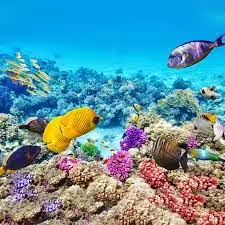
are home to more than one thousand species of fish, with approximately ten percent considered endemic to the Red Sea region. Reef visitors often observe butterflyfish, angelfish, parrotfish, and moray eels in shallow coral gardens. The reefs also support larger marine species such as sea turtles, reef sharks, and dolphins.
Research published by the International Union for Conservation of Nature highlights the ecological importance of Red Sea coral reefs, emphasizing their role in supporting fisheries, coastal protection, and tourism economies. Egypt Coral Reefs form complex habitats that provide shelter, breeding grounds, and feeding areas for diverse marine organisms.
Types of Coral in Egypt Coral Reefs
consist mainly of hard corals and soft corals. Hard corals such as brain coral and staghorn coral build the limestone structures that form reef frameworks. Soft corals add movement and color to the underwater landscape, creating visually striking reef scenes.
The clarity of Red Sea waters often exceeds twenty meters in visibility, allowing sunlight to penetrate deep enough to sustain coral growth. This contributes to the bright coloration and structural diversity that make Egypt Coral Reefs internationally renowned.
Best Locations to Explore Egypt Coral Reefs
Several protected areas preserve and maintain marine biodiversity.
One of the most famous marine reserves is Ras Mohammed National Park, located near Sharm El Sheikh. The park contains some of the most pristine coral formations in Egypt and is recognized for its ecological value.
Another notable area is the Giftun Islands near Hurghada, part of a protected marine zone that safegu
In the southern Red Sea region, Marsa Alam offers access to less crowded reefs where coral ecosystems remain relatively untouched compared to more developed resort areas.
Threats Facing Egypt Coral Reefs
Egypt Coral Reefs
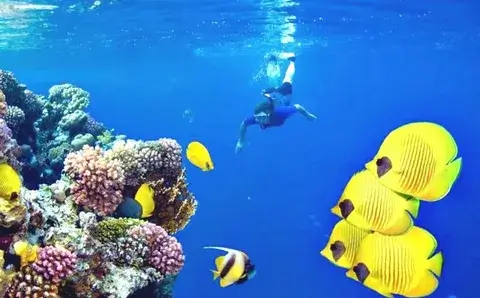
Despite their resilience, face several environmental challenges. Rising sea temperatures linked to global climate change can cause coral bleaching, a phenomenon where corals expel the symbiotic algae that provide nutrients and color. Coastal development, pollution, and unregulated tourism activities may also damage reef structures.
According to the National Oceanic and Atmospheric Administration, coral reefs worldwide are experiencing increased stress due to warming oceans and human impact. Conservation strategies in Egypt focus on marine protected areas, environmental education, and sustainable tourism management to reduce local pressures.
Conservation Efforts for Egypt Coral Reefs
Egypt has established multiple marine protected areas along the Red Sea to preserve coral ecosystems. Environmental regulations limit destructive fishing practices and anchor damage in sensitive reef zones. Many dive centers promote responsible snorkeling and diving guidelines, encouraging visitors to avoid touching coral and to use reef safe sunscreen.
International research collaborations continue to study the thermal tolerance of Red Sea corals, offering hope that Egypt Coral Reefs may play a critical role in understanding future reef survival under climate change scenarios.
Economic Importance of Egypt Coral Reefs
Tourism linked to contributes significantly to the national economy. Snorkeling and diving tourism generate revenue for local communities, hotels, and tour operators. The reefs also provide natural coastal protection by reducing wave energy, helping to prevent shoreline erosion.
By supporting biodiversity, fisheries, and tourism, Egypt Coral Reefs represent both an ecological treasure and an economic asset for the country.
Conclusion
stand out as some of the most diverse and climate resilient marine ecosystems in the world. Located along the Red Sea coast in destinations such as Hurghada, Sharm El Sheikh, and Marsa Alam, these reefs support rich biodiversity and vibrant underwater landscapes. Through conservation initiatives and sustainable tourism practices, Egypt Coral Reefs continue to attract global attention while maintaining their ecological significance for future generations.

All Categories
Recent Posts

Hurghada submarine tour
Hurghada dolphin house tour

Paradise Island Hurghada