
Archaeological Sites
Archaeological Sites
Archaeological sites are physical locations where evidence of past human activity has been preserved. These sites include ancient cities, temples, tombs, burial grounds, settlements, tools, and monuments that help scholars and visitors understand how earlier civilizations lived, governed, believed, and interacted with their environment. Archaeological sites are considered one of the most valuable forms of cultural and historical heritage worldwide.
According to UNESCO, are a core component of cultural heritage and play a vital role in preserving humanity’s collective memory.
What Defines an Archaeological Site
An is any place where material remains of past societies are found and studied through systematic excavation and scientific analysis. These remains may date back thousands or even millions of years, ranging from prehistoric camps to complex ancient civilizations.
Archaeological research relies on careful documentation, conservation, and interpretation to reconstruct historical timelines accurately.
Main Types of Archaeological Sites
Prehistoric Sites
These sites date back to periods before written records and include caves, rock shelters, and early human settlements. They provide insight into early tools, hunting practices, and social development.
Ancient Cities and Settlements
Remains of organized urban life such as streets, houses, temples, and marketplaces. Examples include Pompeii (Italy) and Mohenjo-daro (Pakistan).
Religious and Ritual Sites
Archaeological Sites
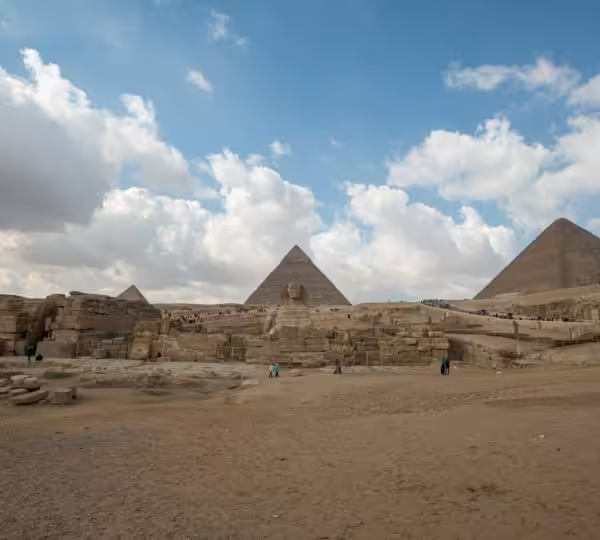
Temples, shrines, pyramids, and ceremonial complexes built for worship and spiritual practices. These sites reflect belief systems and religious structures of ancient cultures.
Burial and Funerary Sites
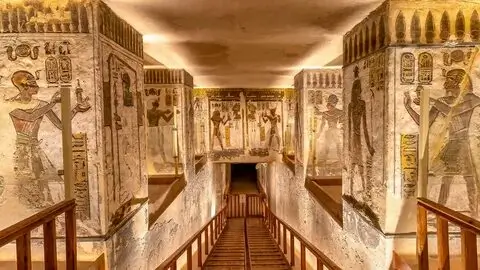
Tombs, cemeteries, and burial mounds that reveal beliefs about death, the afterlife, and social hierarchy, such as the Valley of the Kings in Egypt.
Industrial and Military Sites
Ancient mines, fortresses, walls, and defensive structures that show technological progress and military organization.
Importance of Archaeological Sites
Understanding Human History
provide direct evidence of how civilizations developed, adapted, and declined, helping historians reconstruct accurate historical narratives.
Cultural Identity and Heritage
They strengthen cultural identity by connecting modern societies with their historical roots and traditions.
Educational and Scientific Value
Sites serve as open-air classrooms for students, researchers, and visitors, promoting learning through real-world evidence.
Tourism and Economic Impact
supports local economies through employment, conservation funding, and sustainable development initiatives.
Protection and Conservation of Archaeological Sites
are often fragile and non-renewable. Threats include urban expansion, looting, climate change, and mass tourism. International organizations such as UNESCO, ICOMOS, and ICCROM work to protect and conserve these sites through legal frameworks, monitoring, and restoration programs.
Archaeological Sites and Sustainable Tourism
Sustainable archaeological tourism focuses on balancing visitor access with site preservation. This includes controlled visitor numbers, site management plans, and community involvement to ensure long-term protection.
Conclusion
are irreplaceable windows into humanity’s past. They preserve the physical traces of civilizations that shaped the modern world and provide invaluable educational, cultural, and economic benefits. Protecting these sites through responsible tourism and scientific research ensures that future generations can continue to learn from and appreciate the legacy of ancient societies