
Historical Tourism

Historical Tourism
Table of Contents
ToggleHistorical Tourism
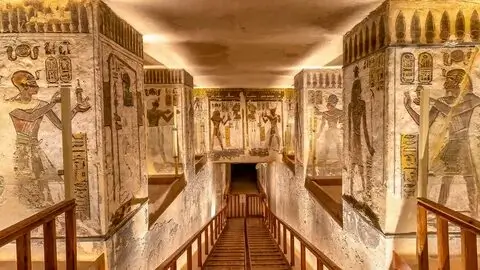
Historical Tourism
Historical tourism is a form of tourism focused on exploring places, sites, and landmarks that have historical significance. Travelers who choose aim to understand past civilizations, major events, architectural heritage, and the cultural legacy that shaped modern societies. This type of tourism plays an important role in education, cultural preservation, and global understanding.
According to UNESCO and the UN World Tourism Organization (UNWTO), is a key branch of cultural tourism, as it involves visiting tangible heritage such as monuments, archaeological sites, museums, and historic cities.
Key Characteristics of Historical Tourism
is centered around authentic locations connected to the past. These experiences often include visits to ancient ruins, castles, palaces, old cities, battlefields, and heritage museums. Travelers are usually motivated by learning, discovery, and appreciation of historical narratives rather than leisure alone.
Guided tours, interpretation panels, and museums play a major role in enhancing understanding by providing historical context and storytelling.
Main Types of Historical Tourism

Historical Tourism
Archaeological Tourism
This involves visiting ancient ruins and excavation sites such as temples, tombs, and ancient cities. Examples include the Pyramids of Giza, Machu Picchu, and Pompeii. Archaeological tourism allows visitors to connect directly with early civilizations.
Architectural & Monument Tourism
Focused on historic buildings, castles, forts, churches, mosques, and palaces that reflect architectural styles from different historical periods. These sites often symbolize political, religious, or social power.
Museum-Based Historical Tourism
Museums preserve artifacts, manuscripts, artworks, and historical records. They provide structured educational experiences that help visitors understand history in a curated and accessible way.
Battlefield & War Heritage Tourism
This type includes visits to battlefields, memorials, and war museums that commemorate major conflicts and historical struggles.
Benefits of Historical Tourism
Preservation of Heritage
Revenue generated from historical tourism helps fund restoration, conservation, and protection of heritage sites, ensuring they survive for future generations.
Educational Value
offers experiential learning, allowing visitors to understand history in real-world contexts rather than through books alone.
Economic Development
Historic destinations benefit local economies by creating jobs for guides, conservators, hospitality workers, and artisans.
Cultural Identity & Pride
For local communitiesstrengthens cultural identity and pride by highlighting the importance of their heritage.
Challenges of Historical Tourism
Despite its benefits, can cause overcrowding, physical damage to sites, and loss of authenticity if not managed sustainably. Mass tourism may strain fragile monuments and disrupt local communities.
Sustainable tourism practices — such as visitor limits, conservation rules, and community involvement — are essential to protect historical assets.
Historical Tourism and Sustainability
Modern increasingly focuses on responsible and sustainable travel. This includes respecting site regulations, supporting local businesses, and promoting awareness of conservation efforts. Sustainable ensures that cultural heritage remains intact while still being accessible to visitors.
Conclusion
is more than visiting old places — it is a journey into humanity’s shared past. By exploring monuments, ruins, and historic cities, travelers gain insight into how societies evolved and how history continues to shape the present. When managed responsibly, supports education, cultural preservation, and economic growth, making it one of the most meaningful forms of travel worldwide

All Categories
Recent Posts

Hurghada submarine tour
Hurghada dolphin house tour

Paradise Island Hurghada