
Cultural Tourism
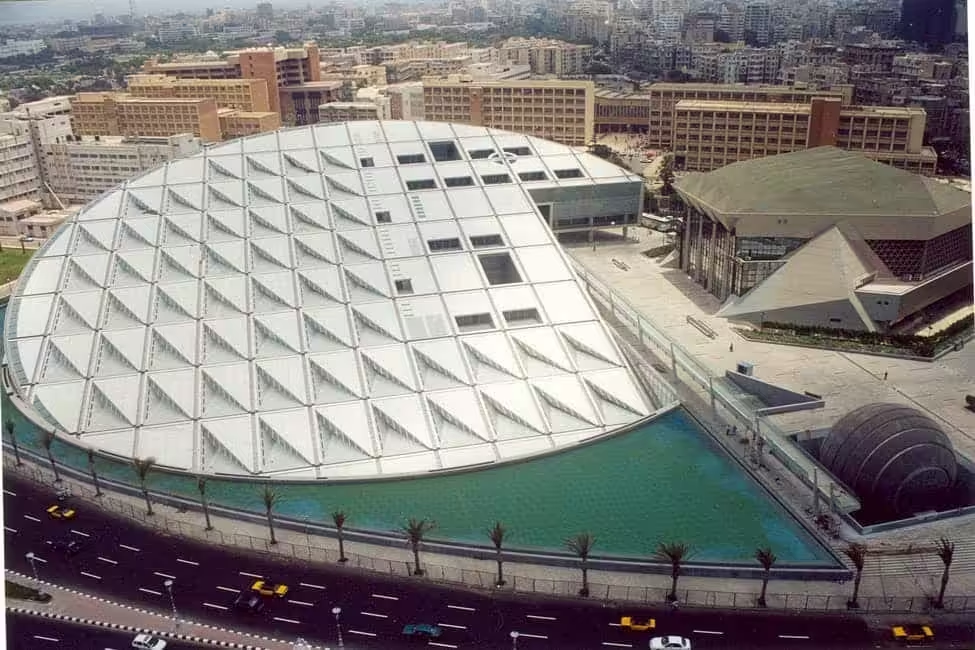
Cultural Tourism
Table of Contents
ToggleAbout Cultural Tourism

Cultural Tourism
Cultural tourism is a form of travel where the primary motivation is to explore, understand, and engage with the cultural aspects of a destination — including its history, traditions, arts, architecture, cuisine, music, festivals, and ways of life. These experiences go beyond simple sightseeing and aim to give travelers a deeper appreciation of the people, heritage, and identity of the places they visit.
The United Nations World Tourism Organization (UNWTO) defines as travel that involves visiting and “consuming” the tangible and intangible culture of a society — such as its art, heritage, literature, beliefs, lifestyles, and creative industries — making it a key part of cultural exchange and preservation.
Key Features of Cultural Tourism
usually includes:
• Visits to heritage sites and museums, such as ancient ruins, temples, traditional neighborhoods, and historic architecture.
• Experiences of local traditions and rituals, including festivals, music, dance, and storytelling.
• Culinary exploration, where travelers taste traditional foods, learn cooking techniques, and enjoy regional specialties.
• Engagement with local arts and crafts, such as artisan workshops, textile centers, and craft markets.
• Interaction with local communities, including guided walks, cultural workshops, and heritage storytelling sessions.
Benefits of Cultural Tourism
1. Preserves Heritage and Traditions
supports the preservation of historical sites and living traditions. Revenue from tourism often contributes to restoring and maintaining monuments, crafts, and rituals that might otherwise disappear.
2. Strengthens Local Economies
By attracting visitors who spend money on tours, souvenirs, and local services, helps create jobs and supports small businesses such as artisans, guides, restaurants, and inns.
3. Enhances Cross-Cultural Understanding
Travelers engaging in often gain empathy and respect for different ways of life, helping break down stereotypes and promote worldwide cultural appreciation and peace.
4. Educational & Intellectual Value
offers learning opportunities about history, religion, society, and arts in context — often far beyond what can be learned from books or online.
Examples of Cultural Tourism Experiences
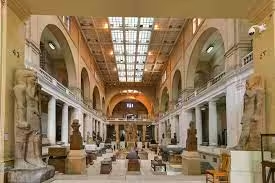
Cultural Tourism
Heritage Sites & Monuments
Visiting museums, archaeological sites, and UNESCO World Heritage sites provides insight into historical civilizations and significant cultural achievements.
Festivals and Performances
Attending traditional festivals, folk music performances, and cultural parades allows travelers to experience how communities celebrate identity and ritual.
Local Food & Culinary Workshops
Sampling local dishes or taking cooking classes introduces visitors to cultural heritage through cuisine — a key part of intangible culture.
Artisan Workshops and Markets
Visiting craft workshops and markets supports artists and helps preserve traditional techniques such as weaving, pottery, and woodwork.
Challenges and Considerations
While offers many benefits, it can also risk over-commercialization of traditions, where practices are altered mainly for tourist appeal rather than authentic preservation. Ensuring sustainable and respectful tourism — including limits on visitor numbers and community involvement in decision-making — helps prevent cultural dilution and supports long-term preservation.
Conclusion: Why Cultural Tourism Matters
is a meaningful way to connect with the world’s diverse identities, histories, and traditions. By fostering appreciation, supporting local economies, preserving heritage, and encouraging cross-cultural understanding, it adds depth and purpose to travel. Far from just seeing new places, invites travelers to experience the soul of a destination — through its people, stories, and living heritage

All Categories
Recent Posts

Hurghada submarine tour
Hurghada dolphin house tour

Paradise Island Hurghada