
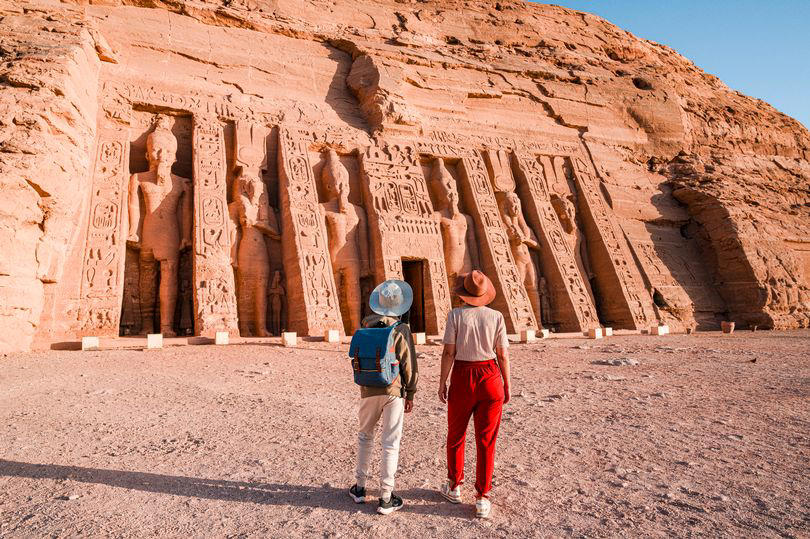
About Egyptian Antiquities
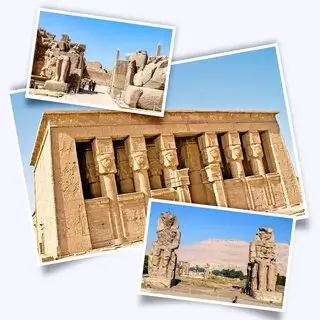
Egyptian antiquities represent one of the richest and most influential cultural heritages in human history. Spanning more than 5,000 years, include monuments, temples, statues, tombs, papyri, jewelry, and everyday objects that reflect the beliefs, art, science, and social structure of ancient Egypt. From the pyramids of Giza to small ritual amulets, provide invaluable insight into one of the world’s earliest and most advanced civilizations.
Historical Significance of Egyptian Antiquities
The importance of lies in their ability to document the development of one of the first centralized states in history. Ancient Egyptians left behind a vast material record that illustrates political power, religious beliefs, and technological innovation. help historians understand how the ancient state was governed, how religion shaped daily life, and how art was used to express ideology and immortality. These objects are primary sources that form the foundation of modern Egyptology.
Types of Egyptian Antiquities
can be broadly categorized into monumental architecture, religious objects, funerary items, and daily life artifacts. Monumental antiquities include pyramids, temples, obelisks, and statues built to honor gods and kings. Religious antiquities such as amulets, offering tables, and sacred texts reveal ancient Egyptian beliefs about gods and the afterlife. Funerary antiquities, including coffins, mummies, and burial goods, demonstrate the importance of death and rebirth in Egyptian religion. Everyday objects such as tools, pottery, and cosmetics show how ordinary people lived and worked in ancient Egypt.
Egyptian Antiquities and Ancient Religion
Religion played a central role in shaping Temples were designed as houses for the gods, while statues were believed to be physical vessels for divine presence. Funerary antiquities were created to ensure a safe journey to the afterlife and eternal existence. Wall reliefs, inscriptions, and religious texts such as the Book of the Dead provide detailed information about rituals, moral values, and beliefs. therefore serve as a direct link to the spiritual worldview of ancient Egyptians.
Artistic and Architectural Value of Egyptian Antiquities
are renowned for their distinctive artistic style and architectural precision. Ancient Egyptian art followed strict conventions that emphasized order, balance, and symbolism rather than realism. Statues were created to last for eternity, often carved from stone with idealized features. Architectural antiquities such as temples and pyramids demonstrate advanced knowledge of engineering, mathematics, and astronomy. The durability and scale of these structures highlight the ancient Egyptians’ desire for permanence and legacy.
Major Sites Associated with Egyptian Antiquities
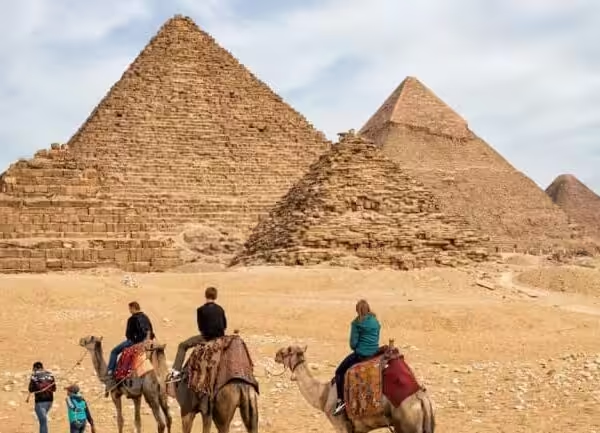
Egyptian Antiquities
Egyptian antiquities are found throughout the country, with major concentrations in Cairo, Giza, Luxor, Aswan, and Saqqara. The Giza Plateau is home to the Great Pyramids and the Sphinx, among the most famous antiquities in the world. Luxor contains the remains of ancient Thebes, including Karnak Temple and the Valley of the Kings. Saqqara features early pyramid complexes that mark important developments in royal burial architecture. Each site adds a unique chapter to the story of Egyptian antiquities.
Preservation and Protection of Egyptian Antiquities
The protection of Egyptian antiquities is a national and international priority. Over the past century, Egypt has implemented laws and institutions to safeguard its heritage from looting, illegal trade, and environmental damage. Conservation projects focus on restoring monuments, stabilizing fragile artifacts, and documenting archaeological sites. Egyptian antiquities are also protected through international cooperation with organizations dedicated to cultural heritage preservation. These efforts ensure that future generations can continue to study and appreciate ancient Egyptian civilization.
Egyptian Antiquities in Museums
Museums play a vital role in preserving and interpreting Institutions such as the Egyptian Museum in Cairo and the Grand Egyptian Museum house tens of thousands of artifacts that are displayed for public education and research. Egyptian antiquities in museums are carefully conserved and studied, allowing scholars to gain new insights into ancient technologies, writing systems, and social structures. Museum exhibitions help present within their historical and cultural context.
Cultural and Tourism Value of Egyptian Antiquities
Egyptian antiquities are a cornerstone of cultural tourism in Egypt. Millions of visitors travel each year to see ancient monuments and museum collections. These antiquities contribute significantly to the national economy while also promoting global awareness of Egypt’s cultural heritage. inspire art, literature, and academic research worldwide, reinforcing their universal value and enduring influence.
Conclusion: The Enduring Legacy of Egyptian Antiquities
stand as timeless witnesses to human creativity, belief, and ambition. They offer a detailed record of one of the most influential civilizations in history and continue to shape our understanding of the ancient world. Through preservation, research, and responsible tourism, remain a living legacy that connects the modern world with the achievements of ancient Egypt