
Egyptian Museum
Egyptian Museum
Table of Contents
ToggleAbout the Egyptian Museum
The Egyptian Museum is one of the most important cultural and historical institutions in the world. Located in Tahrir Square, Cairo, the houses the largest and most comprehensive collection of ancient Egyptian antiquities ever assembled. Since its official opening in 1902, the Egyptian Museum has played a central role in preserving, studying, and presenting the legacy of ancient Egypt. For travelers, historians, and researchers, the represents a gateway to more than 5,000 years of human civilization.
Historical Background of the Egyptian Museum
The establishment of the Egyptian Museum was driven by the need to protect Egypt’s antiquities from illegal export during the 19th century. Designed by French architect Marcel Dourgnon, the museum was constructed specifically to display and safeguard archaeological discoveries made across Egypt. Over time, the became the primary national repository for artifacts uncovered from temples, tombs, and ancient settlements. Its creation marked a turning point in Egypt’s efforts to preserve its cultural heritage for future generations.
Major Collections Inside the Egyptian Museum
The Egyptian Museum is renowned for its vast and diverse collections, which include statues, reliefs, coffins, papyri, jewelry, tools, and everyday objects. These collections span from the Predynastic Period to the Greco-Roman era, offering visitors a chronological journey through ancient Egyptian history. Each gallery within the highlights different aspects of religious beliefs, royal power, daily life, and artistic development. The museum’s dense display style reflects early museum traditions and allows visitors to view thousands of original artifacts in one place.
Tutankhamun Treasures at the Egyptian Museum
One of the most famous sections of the is dedicated to the treasures of King Tutankhamun. Discovered in 1922 by British archaeologist Howard Carter, Tutankhamun’s tomb contained more than 5,000 artifacts, many of which are displayed in the museum. The collection includes the iconic golden funerary mask, gilded coffins, jewelry, chariots, and ceremonial objects. These items provide unmatched insight into royal burial practices and craftsmanship during the New Kingdom, making this collection a major highlight of the Egyptian Museum.
Royal Mummies and Funerary Art
The also holds an extraordinary collection of royal mummies and funerary artifacts. These exhibits illustrate ancient Egyptian beliefs about the afterlife and the importance of preservation of the body. Sarcophagi, canopic jars, funerary masks, and burial equipment demonstrate the religious rituals associated with death and rebirth. The study of these artifacts has significantly contributed to modern understanding of ancient Egyptian medicine, religion, and social hierarchy, reinforcing the Egyptian Museum’s global academic importance.
Architectural Design of the Egyptian Museum
Egyptian Museum
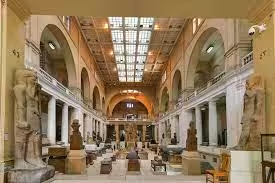
The building of the itself is considered a historical monument. Its neoclassical architectural style features large halls, high ceilings, and wide galleries designed to accommodate monumental statues and fragile artifacts. The museum’s distinctive pink façade has become an iconic part of Cairo’s urban landscape. Although museum display techniques have evolved, the original structure of the remains a valuable example of early 20th-century museum architecture.
Educational and Scientific Role of the Egyptian Museum
Beyond tourism, the serves as a key center for education and research. Scholars from around the world visit the museum to study inscriptions, artistic styles, and archaeological contexts. The museum collaborates with international institutions on conservation and documentation projects. Through exhibitions and academic work, the continues to contribute to the global understanding of ancient Egyptian civilization and its lasting influence on human history.
Visitor Experience at the Egyptian Museum
A visit to the offers an immersive and enriching experience. Guided tours help visitors navigate the vast collections and understand the historical significance of the artifacts. The museum allows visitors to view original objects that are rarely found together in one place. Its central location in Cairo makes the Egyptian Museum an essential stop on cultural itineraries, often combined with visits to nearby landmarks such as Islamic Cairo and the Nile Corniche.
The Egyptian Museum in the Modern Era
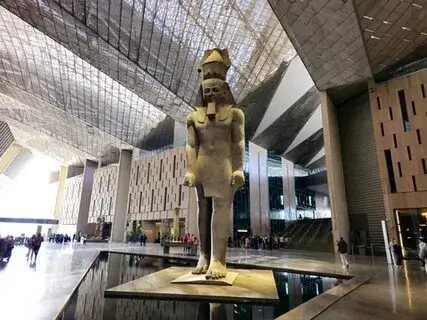
With the opening of newer institutions such as the Grand , some artifacts have been relocated to modern facilities. However, the remains a cornerstone of Egypt’s cultural identity. Its historical collections, archival value, and role in the development of Egyptology ensure its continued relevance. The stands as a bridge between early archaeological discovery and modern museum practice.
Conclusion: The Lasting Importance of the Egyptian Museum
The continues to be one of the most significant museums dedicated to ancient civilization. Its unmatched collections, historical importance, and educational value make it an essential destination for anyone seeking to understand ancient Egypt. As both a cultural landmark and a scholarly institution, the preserves the story of Egypt’s past while inspiring future generations to explore and protect human heritage

All Categories
Recent Posts

Hurghada submarine tour
Hurghada dolphin house tour

Paradise Island Hurghada