About Giza Pyramids: The Eternal Symbols of Ancient Egypt
Giza Pyramids
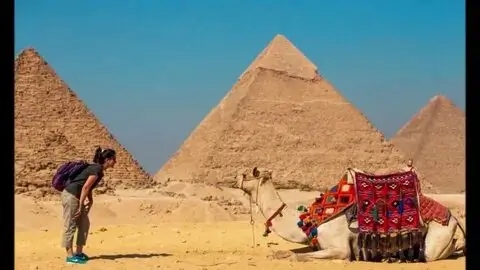
The Giza Pyramids are among the most famous and awe-inspiring monuments in the world, standing as powerful symbols of ancient Egyptian civilization. Located on the Giza Plateau near Cairo, these monumental structures have fascinated historians, archaeologists, and travelers for centuries. The Giza Pyramids represent not only architectural brilliance but also the religious beliefs, political power, and advanced knowledge of ancient Egypt. Today, visiting the is considered a once-in-a-lifetime experience and a cornerstone of cultural tourism in Egypt.
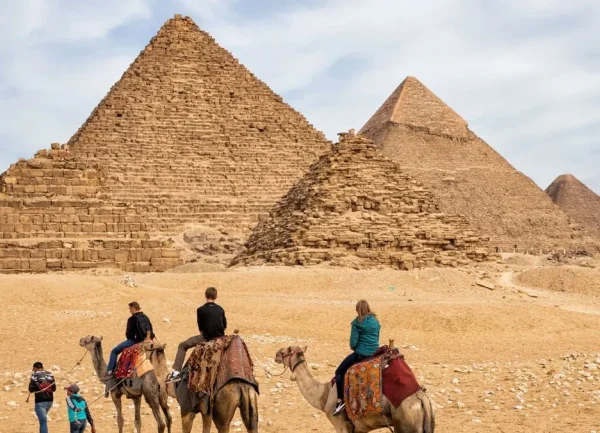
Built more than 4,500 years ago during Egypt’s Old Kingdom, the were constructed as royal tombs for powerful pharaohs. According to Encyclopaedia Britannica, the plateau includes three main pyramids built for Pharaohs Khufu, Khafre, and Menkaure, along with several smaller pyramids and cemeteries for queens and officials. These monuments continue to dominate the landscape, demonstrating the ambition and organizational skills of ancient Egyptian society.
The Great Pyramid of Khufu and Architectural Genius
The most famous of the is the Great Pyramid of Khufu, also known as the Pyramid of Cheops. It is the largest pyramid ever built and the only surviving structure of the Seven Wonders of the Ancient World. Originally standing at approximately 146 meters, the Great Pyramid was the tallest man-made structure on Earth for more than 3,800 years. Scholars note that it was constructed using an estimated 2.3 million stone blocks, each weighing several tons, making it a remarkable engineering achievement.
Researchers and historians continue to study how the were built with such precision. According to National Geographic, ancient Egyptians used advanced surveying techniques, skilled labor, and detailed planning to align the pyramids with remarkable accuracy to the cardinal directions. This precision reflects a deep understanding of mathematics, astronomy, and construction methods that were far ahead of their time.
The Pyramid of Khafre and the Great Sphinx
Giza Pyramids
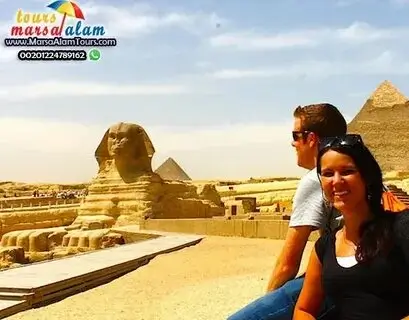
The Pyramid of Khafre is the second-largest of the and is easily recognizable due to remnants of its original limestone casing at the top. Although slightly smaller than the Great Pyramid, it appears taller because it was built on higher ground. This pyramid is closely associated with the Great Sphinx, one of the most iconic statues in the world.
The Great Sphinx, with the body of a lion and the head of a pharaoh, is believed to represent Khafre himself. According to UNESCO, the Sphinx symbolizes royal power and protection and is an essential part of the Giza necropolis. Carved from a single piece of limestone, the Sphinx has stood guard over the Giza Pyramids for thousands of years, adding mystery and symbolic meaning to the site.
Religious Beliefs and the Purpose of the Giza Pyramids
The Giza Pyramids were not merely tombs; they were deeply connected to ancient Egyptian beliefs about the afterlife. Egyptians believed that the pharaoh was a divine ruler who would continue to rule in the afterlife. The pyramids were designed to protect the pharaoh’s body and provide a pathway for the soul to ascend to the heavens.
Texts and archaeological evidence show that the pyramid shape symbolized the rays of the sun, linking the pharaoh to the sun god Ra. According to studies published by the British Museum, burial goods, inscriptions, and surrounding temples were all part of a complex funerary system meant to ensure eternal life. Understanding these beliefs helps visitors appreciate the spiritual significance of the beyond their impressive size.
The Giza Plateau as a World Heritage Site
The Giza Pyramids are part of the larger Giza Plateau, which includes temples, causeways, and ancient cemeteries. In 1979, UNESCO designated the site as a World Heritage Site, recognizing its outstanding universal value. UNESCO emphasizes that theare among the most important archaeological sites in the world, offering invaluable insight into early human civilization and monumental architecture.
Modern conservation efforts focus on preserving the for future generations. Egyptian authorities, in cooperation with international organizations, work to protect the monuments from environmental damage, urban expansion, and mass tourism. Responsible tourism plays a key role in maintaining the site’s historical integrity.
Visiting the Giza Pyramids Today
Today, the are one of the most visited tourist attractions in the world. Visitors can explore the plateau, enter selected pyramids, and learn from professional guides who explain the history and symbolism of the site. According to the Egyptian Ministry of Tourism and Antiquities, the Giza Plateau continues to be central to Egypt’s tourism industry and cultural identity.
The best time to visit the is generally between October and April, when temperatures are milder and more suitable for outdoor exploration. Early morning and late afternoon visits offer the best lighting for photography and a more comfortable experience.
Why the Giza Pyramids Remain a Timeless Wonder
The Giza Pyramids have endured for millennia as symbols of human ambition, belief, and creativity. They represent a civilization that mastered engineering, organization, and spirituality on an extraordinary scale. For travelers, historians, and researchers alike, the continue to inspire awe and curiosity, reminding the world of ancient Egypt’s lasting legacy