Luxor and Dendera Bus Tour Egypt
The Luxor and Dendera bus tour is one of Egypt’s best-kept secrets when it comes to full-day adventures. Designed for travelers seeking a deep, authentic encounter with ancient Egypt, this tour seamlessly blends the magic of the Dendera Temple, the architectural marvels of Luxor, and a traditional Egyptian meal—all while transporting you comfortably in an air-conditioned coach.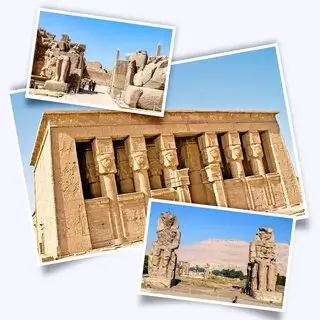
If you’re staying in coastal cities like Hurghada, Safaga, or El Gouna, this tour offers a perfect escape into Egypt’s most powerful historic cities. From the mysterious temple of Hathor in Dendera to the grandeur of Karnak, the awe-inspiring Temple of Hatshepsut, and the enduring Colossi of Memnon, the journey offers a complete tapestry of ancient Egyptian civilization—without needing multiple days or flights.
With the latest updates for 2025, including enhanced safety measures, improved storytelling through licensed Egyptologists, and smoother travel times, this tour remains a top-rated experience among local and international visitors alike.
What Makes This Tour Special
There’s no shortage of history in Egypt—but few tours offer such a wide variety of sites, legends, and stories packed into one itinerary. What sets this particular tour apart is how it spans centuries of pharaonic glory in a single day.
You’ll witness:
-
Temples dedicated to powerful deities like Hathor and Amun-Ra
-
Evidence of female pharaoh rule through Queen Hatshepsut
-
The colossal remnants of ancient Thebes at Memnon
-
Vivid hieroglyphs and celestial maps etched in stone
Add to that a scenic drive along the Nile, the comfort of guided transportation, and a delicious Egyptian lunch—this isn’t just sightseeing; it’s time travel.
Pickup and Travel Details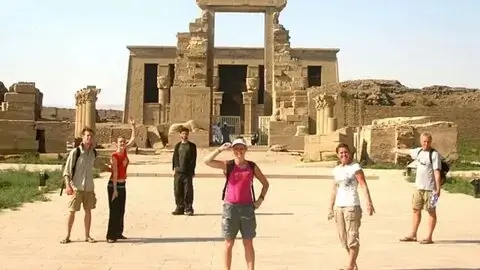
Travelers are typically picked up from their hotels before sunrise—between 4:00 and 5:00 AM, depending on location. The tour operates on comfortable, modern buses equipped with air conditioning, rest stops, and English/Arabic-speaking guides.
A trip to Dendera usually comes first, followed by the drive to Luxor where the rest of the monuments await. The journey is long but worth every minute, thanks to breathtaking landscapes and curated explanations throughout.
First Stop: Dendera Temple Complex
Hidden north of Luxor, Dendera Temple is often overshadowed by its bigger cousins in Thebes. But don’t let that fool you—it is one of the most preserved temple complexes in all of Egypt, dedicated to Hathor, the goddess of love, beauty, joy, and motherhood.
The site contains:
-
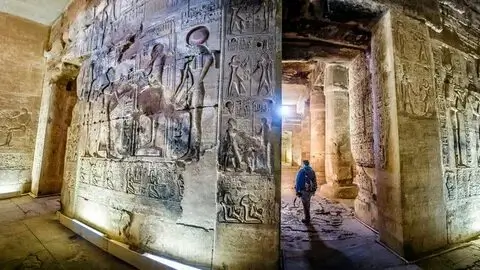
Hypostyle halls with astronomic ceilings
-
Reliefs showing Cleopatra VII
-
The famous Dendera Zodiac
Hidden Marvels of Dendera
Dendera’s crypts and zodiac ceiling are among its most spellbinding features. The ceiling zodiac (a replica now, the original resides in the Louvre) displays the Egyptian understanding of the heavens.
Its bas-reliefs, colored columns, and layered sanctuaries show the mix of Ptolemaic, Roman, and Pharaonic elements, giving you a rare look at how beliefs evolved over time.
Karnak Temple Complex Exploration
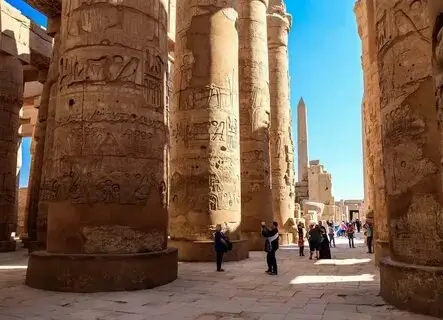
No visit to Luxor is complete without standing beneath the massive pillars of Karnak—a temple that took over 2,000 years to complete. This complex is dedicated primarily to Amun-Ra, and features:
-
The Hypostyle Hall with 134 towering columns
-
The Sacred Lake
-
Obelisks of Hatshepsut and Thutmose
The power and scale of Karnak leave visitors speechless.
The Spirit of Amun-Ra at Karnak
Karnak wasn’t just a building—it was the religious heart of ancient Egypt. Rituals here controlled the Nile, predicted seasons, and legitimized pharaohs.
Walking its paths, you feel not like a tourist—but a witness to divine history.
Arrival at Hatshepsut’s Temple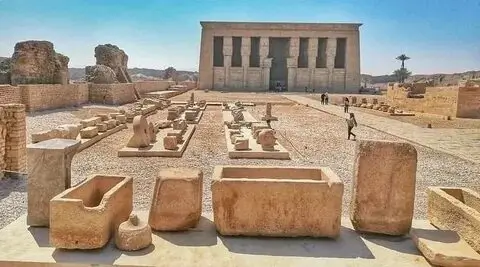
Tucked into the cliffs of Deir el-Bahari, the Mortuary Temple of Hatshepsut is a testament to architectural genius and political power. Its terraces seem to rise straight from the mountainside.
You’ll learn how Hatshepsut ruled as Pharaoh, dressing as a man to assert power, and building one of Egypt’s most elegant temples.
Colossi of Memnon
Towering nearly 18 meters, these stone giants once guarded a massive temple. Though the temple is long gone, the Colossi of Memnon still stand. Greek travelers once believed the statues sang at dawn—a phenomenon likely caused by rising heat and cracks in the stone.
How Guides Enhance the Journey
Your guide isn’t just a speaker—they’re a storyteller. They breathe life into hieroglyphs, decode symbols, and explain rituals in accessible, engaging ways. They’ll also assist with photography, tickets, and timing throughout the day.
FAQs
What is the Dendera Temple and why is it important?
Dendera is home to the Temple of Hathor, known for its astronomical ceiling and well-preserved carvings. Learn more: Dendera Temple Complex – Wikipedia
How far is Dendera from Luxor?
Dendera lies about 60 km north of Luxor and takes about 1.5 hours by road.
Is the tour suitable for families with children?
Yes, though it’s a long day. The bus is comfortable, and there are breaks between stops.
Do entrance tickets come included?
Some tours include all entry fees, while others offer them separately. Always confirm when booking.
Do I need to tip the guide or driver?
Tipping is customary in Egypt. A tip of $5–10 per person is appreciated for excellent service.
What should I bring with me?
Sunblock, hat, water, power bank, cash (Egyptian Pounds), and comfortable walking shoes.