Mount Sinai
Mount Sinai
Table of Contents
ToggleMount Sinai
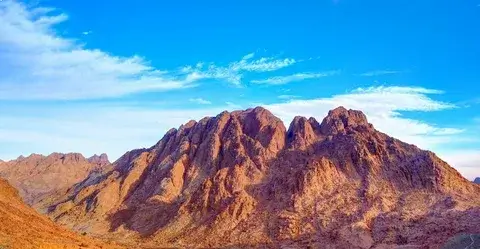
Mount Sinai is one of the most sacred and historically significant mountains in the world, located in the southern part of the Sinai Peninsula in Egypt. Rising approximately 2,285 meters (7,497 feet) above sea level, Mount Sinai attracts thousands of pilgrims, hikers, and adventure travelers every year. Known for its religious importance and breathtaking sunrise views, remains a key destination in spiritual tourism and desert adventure travel.
is traditionally believed to be the mountain where Prophet Moses received the Ten Commandments, making it a holy site in Judaism, Christianity, and Islam. This spiritual connection has made Mount Sinai a pilgrimage destination for centuries.
Religious and Historical Significance
Mount Sinai holds deep importance in biblical history. According to religious tradition, this mountain is associated with the covenant between God and Moses. Because of this, has become a symbol of faith and reflection for millions of believers worldwide.
At the foot of stands Saint Catherine’s Monastery, one of the oldest continuously operating Christian monasteries in the world. Built in the 6th century, the monastery is recognized as a UNESCO World Heritage Site and preserves ancient manuscripts, religious icons, and historical artifacts. Many travelers combine their hike with a visit to the monastery.
Hiking Mount Sinai
Climbing is one of the most popular travel experiences in Egypt’s desert tourism. There are two main routes to reach the summit:
• Camel Path (Siket Sayidna Musa) – A gradual route often used by camels and suitable for most fitness levels.
• Steps of Repentance – A steeper path consisting of approximately 3,750 stone steps, traditionally used by pilgrims seeking a more challenging climb.
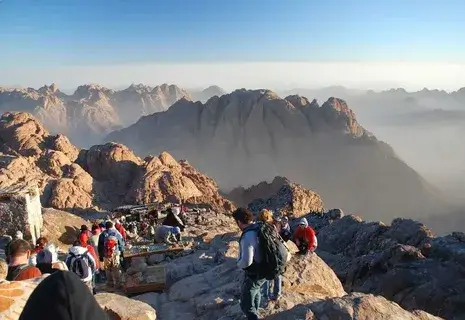
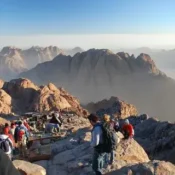
Most hikers begin their journey late at night, typically between 1:00 AM and 3:00 AM, to reach the summit before sunrise. Watching the sunrise from the top of is considered one of the most unforgettable experiences in the region. The changing colors across the rugged desert mountains create spectacular panoramic views.
Natural Beauty and Landscape
Mount Sinai
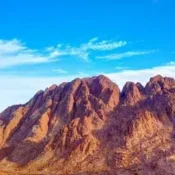
is part of the larger mountain range within the Sinai Peninsula, characterized by granite peaks and dramatic desert valleys. The dry climate and high elevation create clear skies, making the area ideal for stargazing and night photography.
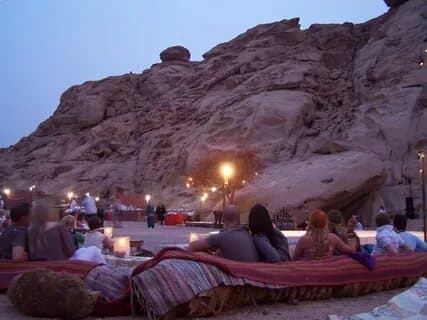
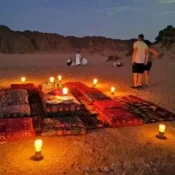
The surrounding region offers additional trekking routes, hidden valleys, and peaceful desert camps. Many visitors stay overnight in nearby Bedouin camps to experience traditional hospitality and star-filled desert nights before their Mount Sinai hike.
Best Time to Visit Mount Sinai
The ideal season to visit is between October and April, when temperatures are cooler and more comfortable for hiking. During winter months, nighttime temperatures at the summit can drop significantly, sometimes approaching freezing levels. Visitors are advised to bring warm clothing, sturdy walking shoes, and sufficient water.
Summer visits are possible but require early morning or nighttime hikes due to high daytime temperatures.
Travel Tips for Mount Sinai
• Hire a licensed local guide for safety and navigation.
• Carry a flashlight or headlamp for nighttime climbing.
• Dress in layers to adapt to temperature changes.
• Respect religious and cultural customs at the summit and monastery.
Why Visit Mount Sinai
offers a powerful combination of spirituality, history, and adventure. Whether visiting for religious pilgrimage, mountain hiking, or cultural exploration, provides a meaningful travel experience beyond typical tourist attractions. The peaceful atmosphere, panoramic desert views, and deep historical roots make one of Egypt’s most remarkable destinations.
For travelers seeking reflection, adventure, and breathtaking scenery, remains a timeless and unforgettable journey in the heart of the Sinai Peninsula.

All Categories
Recent Posts
Mount Sinai
Sinai Mountains
Starry Desert Nights