Bedouin Tourism
Bedouin Tourism
Table of Contents
ToggleSinai Peninsula Bedouin Tourism
Bedouin Tourism
Bedouin Tourism is one of the most authentic and culturally rich travel experiences in Egypt, offering visitors a deeper understanding of desert life, tribal traditions, and sustainable travel practices. Unlike conventional sightseeing, Bedouin Tourism focuses on cultural immersion, eco-tourism, and meaningful interaction with local communities who have lived in desert environments for centuries. Across the Sinai Peninsula, Bedouin tribes play a central role in guiding visitors through mountains, valleys, and coastal landscapes while preserving their heritage and identity.
Bedouin Tourism has grown steadily in recent years as travelers increasingly seek experiential travel instead of traditional resort holidays. Visitors are drawn to the opportunity to explore remote desert areas, share traditional meals, and learn survival techniques passed down through generations. This form of tourism supports local economies while promoting environmental awareness and cultural respect.
Cultural Experiences in Bedouin Tourism
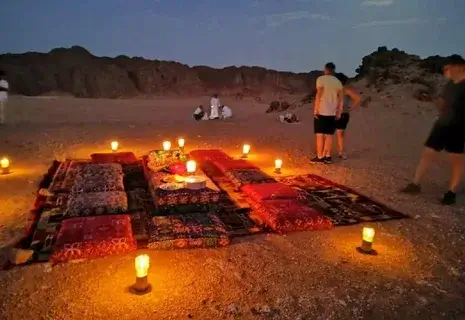
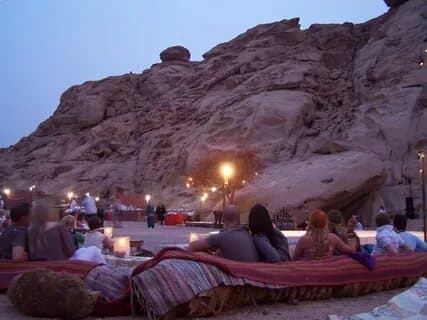
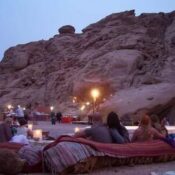
One of the main attractions of is the chance to experience traditional desert hospitality. Guests are welcomed with herbal tea prepared over open fires and freshly baked bread cooked in sand ovens. Storytelling sessions, poetry recitals, and traditional music performances allow visitors to connect with the spiritual and social fabric of Bedouin life.
In mountain regions near , Bedouin guides lead sunrise and sunset treks, sharing historical knowledge and local legends. These guided journeys are not only scenic adventures but also cultural exchanges that highlight the Bedouins’ deep relationship with the land. Many tours also include visits to Saint Catherine’s Monastery, where travelers can explore both religious history and Bedouin traditions in the surrounding desert communities.
Traditional clothing, handicrafts, and embroidered textiles are often displayed and sold during experiences. Purchasing handmade items directly from artisans helps sustain families and preserve traditional craftsmanship.
Desert Adventures and Eco-Tourism
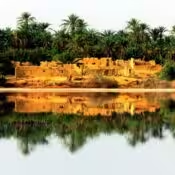
strongly aligns with eco-tourism principles. Many Bedouin-run camps operate using low-impact methods, emphasizing environmental preservation. Solar energy, water conservation, and waste reduction are common practices in desert camps near Dahab and Nuweiba.
Adventure activities are a key part of Camel trekking, desert hiking, sandboarding, and overnight camping under the stars are among the most popular experiences. Unlike mass tourism operations, Bedouin-led excursions are typically small-scale, offering personalized attention and safer navigation through rugged terrain.
Marine activities also connect Bedouin communities to coastal tourism. In areas along the Red Sea, some Bedouin families collaborate with diving centers and eco-lodges to provide combined desert and sea experiences, blending mountain exploration with snorkeling and diving adventures.
Economic and Social Impact of Bedouin Tourism
plays an important role in supporting local livelihoods. In remote desert areas with limited economic opportunities, tourism provides income through guiding services, accommodation, handicrafts, and food preparation. This sustainable income source helps reduce migration to urban areas while preserving tribal identity.
Community-based tourism initiatives empower younger generations to balance modern education with cultural heritage. Training programs in hospitality and language skills allow Bedouins to engage with international visitors while maintaining their traditions. This balance ensures that remains authentic rather than commercialized.
Responsible Travel in Bedouin Tourism
Bedouin Tourism
Travelers interested in B]should approach with cultural sensitivity. Respecting local customs, dressing modestly, and asking permission before taking photographs are essential practices. Choosing licensed guides and community-run camps ensures that tourism benefits local families directly.
Responsible Bedouin Tourism also means minimizing environmental impact. Visitors are encouraged to avoid littering, conserve water, and follow local guidance when exploring fragile desert ecosystems. Sustainable tourism strengthens the relationship between travelers and host communities while protecting natural landscapes.
Why Choose Bedouin Tourism
Bedouin Tourism offers more than scenic desert views; it provides authentic cultural engagement and sustainable travel experiences. By participating in Bedouin Tourism, travelers contribute to preserving traditions that have survived for centuries in the Sinai Peninsula. The blend of adventure, hospitality, and environmental awareness makes Bedouin Tourism a meaningful alternative to conventional travel.
For those seeking a deeper connection with Egypt beyond its famous monuments, Bedouin Tourism delivers a unique opportunity to explore desert heritage, share stories around a campfire, and witness a living culture shaped by resilience and adaptation. This growing sector of Egyptian tourism continues to attract travelers looking for authenticity, sustainability, and unforgettable desert experiences.

All Categories
Recent Posts
Bedouin Tourism
Bedouins Sinai
Eco-Tourism