Red Sea Diving: A Complete Guide to the Underwater Wonder
Red Sea Diving
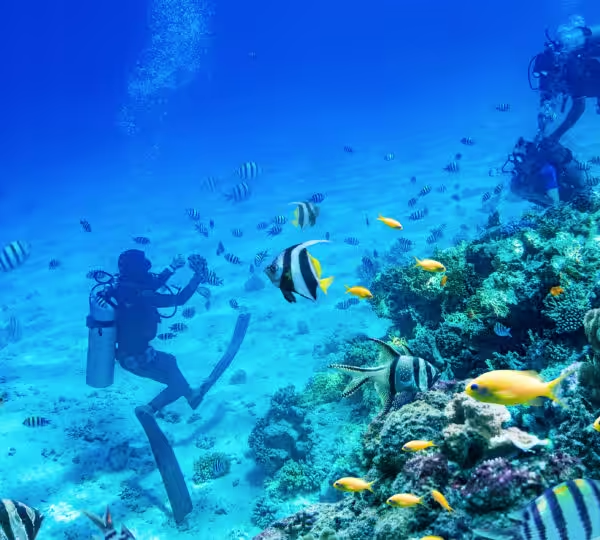
Red Sea diving is recognized globally as one of the most spectacular scuba diving experiences on the planet. Stretching over 2,000 km (1,240 miles) from the Gulf of Suez in the north to the Afar Triangle in the south, the is renowned for its crystal-clear waters, vibrant reefs, abundant marine life, and year-round dive opportunities.
Divers from around the world travel to the Red Sea to explore coral gardens, steep walls, deep pinnacles, dramatic wrecks, and encounters with sharks, rays, turtles, and thousands of reef fish species.
Why the Red Sea Is a Legendary Dive Destination
The ’s unique geography and climate create ideal conditions for underwater visibility, often exceeding 30 m (100 ft), and water temperatures ranging from 22 °C to 30 °C (72 °F – 86 °F) depending on the season and location. Its reefs thrive due to warm waters and strong currents that deliver nutrients to coral ecosystems.
The is also home to some of the world’s most pristine coral ecosystems, including both hard and soft corals, supporting an estimated 1,200 marine species, many of which are endemic.
Top Red Sea Dive Sites
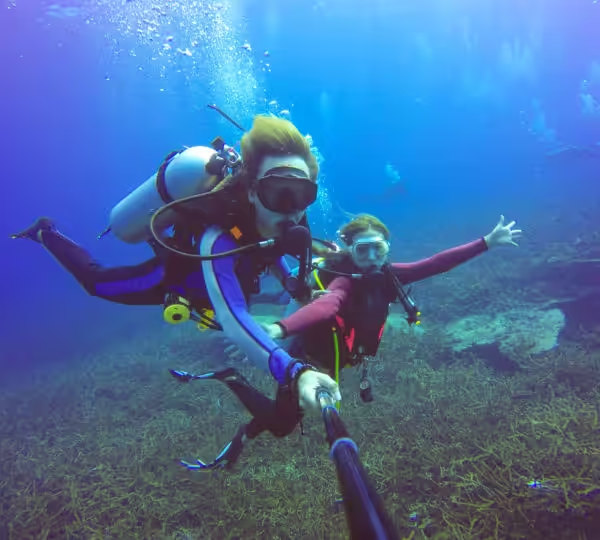
Red Sea Diving
1. Elphinstone Reef (Egypt)
Located off the Egyptian coast near Marsa Alam, Elphinstone Reef is one of the s most iconic dive sites. Known for its steep walls and strong currents, it attracts large pelagic species, including oceanic whitetip sharks and hammerheads during certain seasons. Because of its deeper profiles and drift diving, this site is best suited for advanced divers.
2. Thistlegorm Wreck (Egypt)
The SS Thistlegorm is among the world’s most famous wreck dives. Sunk in 1941, this British merchant ship lies at about 30 m (98 ft) and is accessible to advanced divers. Inside and around the wreck, divers can see motorcycles, trucks, and wartime cargo preserved under the clear waters.
3. Brothers Islands (Egypt)
The Brothers Islands – Big Brother and Little Brother – lie far offshore and are known for strong currents and superb pelagic action. Here, divers can encounter thresher sharks, oceanic whitetips, schools of barracuda, and eagle rays, making these islands a bucket-list destination for experienced divers.
4. Straits of Tiran (Saudi Arabia / Egypt)
The channels around Tiran host dramatic coral gardens and walls, with easy access to shallow reefs and deeper channels perfect for drift dives. These waters are rich with colorful fish, turtles, and macro life, making them excellent for both beginners and intermediates.
5. Farasan Bank (Saudi Arabia)
Farasan Bank in Saudi Arabia is another world-class dive region, known for its remote reefs and high probability of shark encounters, including galapagos sharks and grey reef sharks. The area’s coral formations and seagrass beds support diverse marine life rarely seen elsewhere.
Marine Life Highlights
The Red Sea’s biodiversity is one of the principal draws for divers. Common and spectacular sightings include:
-
Sharks: whitetip reef sharks, hammerheads, oceanic whitetips, and occasionally threshers.
-
Turtles: green sea turtles and hawksbill turtles are frequent residents.
-
Rays: eagle rays, manta rays, and stingrays grace many reefs and sandy flats.
-
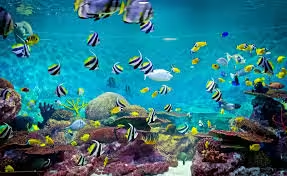
Reef Fish: schooling jacks, fusiliers, anthias, parrotfish, and butterflyfish in remarkable numbers.
This incredible variety creates unforgettable underwater experiences for photographers, marine life enthusiasts, and technical divers alike.
Best Time of Year for Red Sea Diving
The Red Sea provides excellent dive conditions year-round, but conditions vary by season:
-
Winter (December – February): Cooler air temperatures and water around 22 °C (72 °F), ideal for drift dives and pelagic sightings, with moderate winds in some areas.
-
Spring (March – May): Often regarded as the best season overall, with warm water, excellent visibility, and abundant marine activity.
-
Summer (June – August): Warmest waters (up to 30 °C / 86 °F) and stable conditions, perfect for long dives and shallow reef exploration.
-
Autumn (September – November): A continuation of warm conditions and visibility ideal for spotting larger pelagics.
Dive Operators and Certifications
Across the region, dive operators and liveaboards offer services ranging from daily shore dives to multi-day liveaboard expeditions. Training from entry-level (Open Water) to advanced and specialty certifications (Deep, Wreck, Nitrox) is available through globally recognized agencies like PADI and SSI.
Liveaboard operators frequently run routes covering remote sites like the Brothers Islands and Farasan Bank, where pelagic marine life is most abundant.
Practical Tips for Red Sea Divers
-
Certification: Advanced sites may require higher certifications and logged dives due to deeper profiles or currents.
-
Equipment: A thickness-appropriate wetsuit and well-serviced gear are essential. Water temperatures vary seasonally.
-
Safety: Follow briefings, monitor air supply, and respect marine life. Safe diving practices maximize enjoyment and minimize risk.
Conclusion
diving stands among the world’s most revered dive experiences, offering unparalleled marine biodiversity, dramatic underwater landscapes, and year-round accessibility. Whether exploring iconic wrecks like the Thistlegorm or drifting alongside sharks at Elphinstone Reef, divers of all levels find something extraordinary beneath the surface of this remarkable sea