About Karnak Temples: The Greatest Religious Complex of Ancient Egypt
Karnak Temples
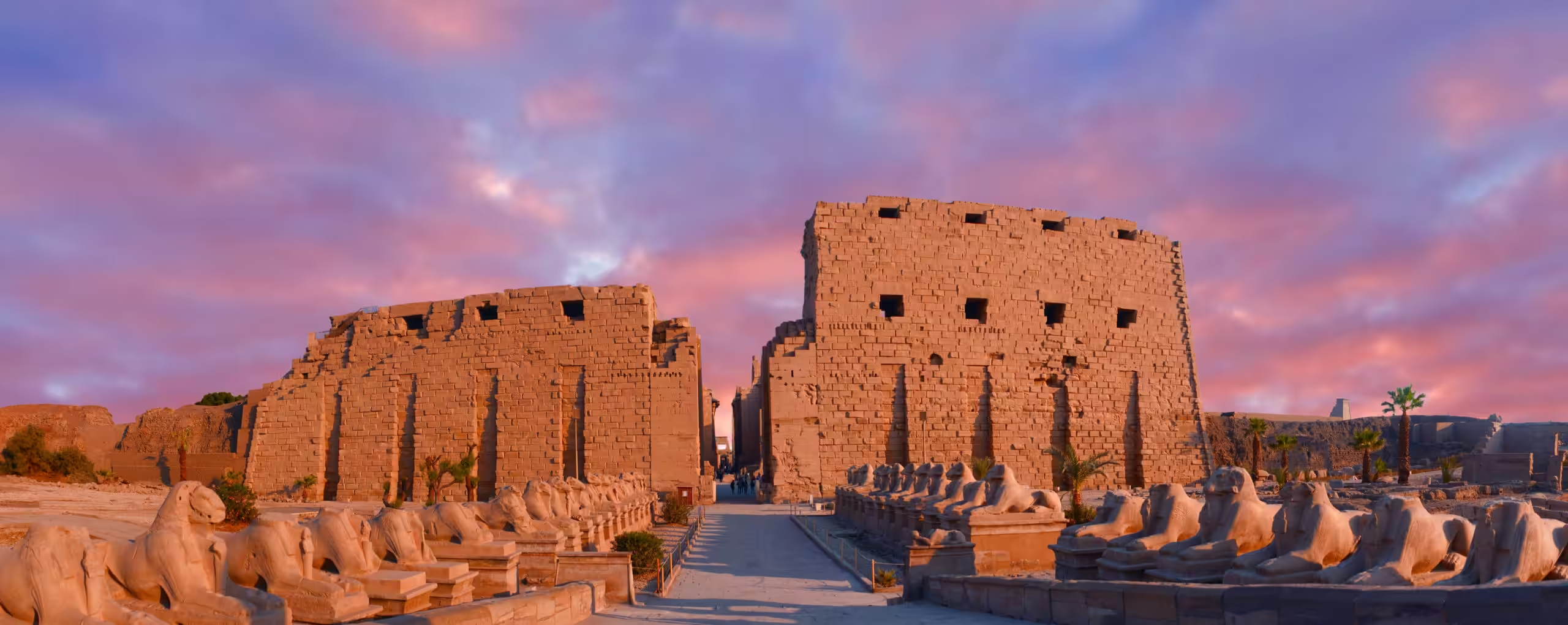
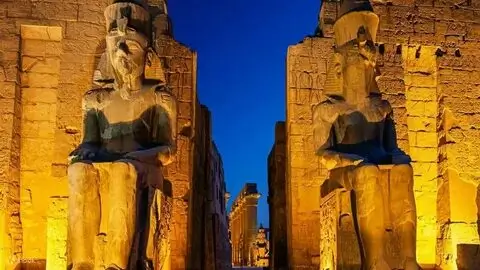
Karnak Temples represent one of the most extraordinary achievements of ancient Egyptian civilization and stand as the largest religious complex ever built in human history. Located on the east bank of the Nile in Luxor, Karnak Temples were not constructed by a single ruler or during one period. Instead, they evolved over more than 2,000 years, reflecting the power, beliefs, and artistic vision of successive pharaohs. Today, Karnak Temples are a central highlight of cultural tourism in Egypt and a key destination for travelers seeking to understand ancient religion, architecture, and royal authority.
In ancient times, Karnak was known as Ipet-Isut, meaning “The Most Select of Places.” According to Encyclopaedia Britannica, Karnak functioned as the main religious center of ancient Thebes and was primarily dedicated to the god Amun-Ra, the king of the gods during the New Kingdom. The scale and complexity of Karnak Temples demonstrate how deeply religion was woven into the political and social structure of ancient Egypt.
Historical Development of Karnak Temples
The construction of Karnak Temples began around 2000 BCE during the Middle Kingdom and continued until the Ptolemaic period. More than 30 pharaohs, including Senusret I, Thutmose III, Hatshepsut, Seti I, and Ramesses II, contributed to the expansion of the complex. Each ruler added temples, pylons, obelisks, and courtyards to demonstrate devotion to the gods and to legitimize their rule.
According to UNESCO, Karnak Temples are part of the Ancient Thebes World Heritage Site due to their exceptional testimony to ancient Egyptian religious architecture. Walking through the complex allows visitors to trace centuries of history carved into stone reliefs, inscriptions, and statues that record victories, rituals, and offerings to the gods.
The Great Hypostyle Hall and Architectural Mastery
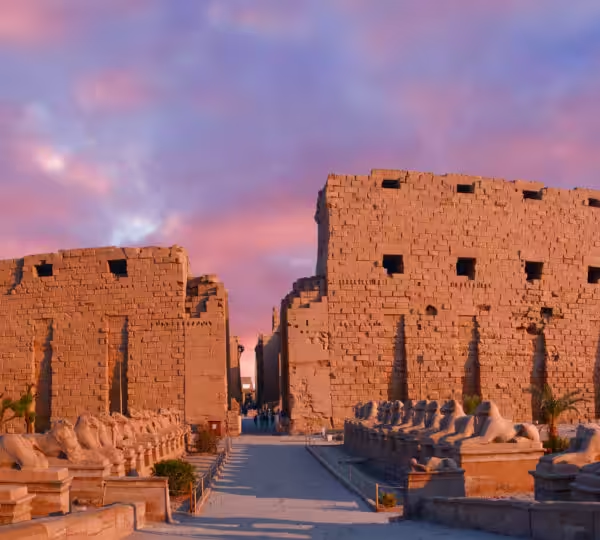
Karnak Temples
One of the most impressive features of Karnak Temples is the Great Hypostyle Hall, a vast forest of stone columns unlike anything else in the ancient world. This hall covers an area of approximately 5,000 square meters and contains 134 massive columns, some reaching a height of 23 meters. According to National Geographic, the central columns were designed to resemble papyrus plants, symbolizing creation and the marshlands from which life emerged in Egyptian mythology.
The walls and columns of the Hypostyle Hall are covered with detailed reliefs depicting religious ceremonies, royal coronations, and military victories. These carvings provide valuable historical records and insight into the artistic techniques and symbolic language of ancient Egypt. The scale and precision of the hall highlight the advanced engineering and organizational skills of the ancient builders.
Sacred Lakes, Obelisks, and Temples Within Karnak
Karnak Temples are not a single structure but a vast complex made up of several precincts. The most important is the Precinct of Amun-Ra, which includes temples, pylons, chapels, and the sacred lake used for ritual purification. According to the British Museum, sacred lakes played an essential role in temple rituals, symbolizing the primeval waters of creation.
The complex also features towering obelisks, including the famous obelisk of Queen Hatshepsut, one of the tallest surviving ancient obelisks in Egypt. These monuments were carved from single blocks of granite and symbolized the connection between the gods and the sky. The presence of multiple sanctuaries dedicated to other deities, such as Mut and Khonsu, further emphasizes Karnak’s role as a complete religious city rather than a single temple.
Religious Significance and Ritual Life
Karnak Temples were the heart of religious life in ancient Thebes. Daily rituals were performed by priests to honor the gods, while major festivals attracted large public participation. One of the most important events was the Opet Festival, during which statues of Amun, Mut, and Khonsu were carried from Karnak to Luxor Temple along a ceremonial route. According to research published by UNESCO, this festival symbolized renewal, divine kingship, and harmony between gods and humans.
The temple complex was designed to reflect ancient Egyptian cosmology. Movement through the pylons and courtyards symbolized a journey from the earthly world toward the divine realm. This spiritual symbolism is one of the reasons Karnak Temples remain such a powerful and moving site for visitors today.
Visiting Karnak Temples Today
Today, Karnak Temples are one of Egypt’s most visited archaeological sites and a centerpiece of Luxor tourism. Visitors can explore the vast complex during the day or attend evening sound and light shows that highlight the history and mythology of the site. According to the Egyptian Ministry of Tourism and Antiquities, ongoing restoration projects aim to preserve Karnak Temples while improving visitor access and interpretation.
The best time to visit Karnak Temples is between October and April, when temperatures are more comfortable for outdoor exploration. Early morning visits are ideal for avoiding crowds and experiencing the monuments in softer light, while sunset offers dramatic views of the towering columns and pylons.
Why Karnak Temples Remain a Global Wonder
Karnak Temples stand as a lasting testament to the spiritual devotion, artistic brilliance, and political power of ancient Egypt. Their immense scale, historical depth, and symbolic design make them one of the most important religious complexes ever created. For travelers, historians, and scholars alike, Karnak Temples offer an unparalleled window into the beliefs and achievements of one of the world’s greatest civilizations