The Sinai Mountains form
one of the most fascinating and meaningful regions in the Middle East. Located in the southern part of Egypt’s Sinai Peninsula, this mountainous area has captured human imagination for thousands of years. With its rugged peaks, isolated valleys, and strong spiritual associations, the region represents a rare blend of natural beauty and cultural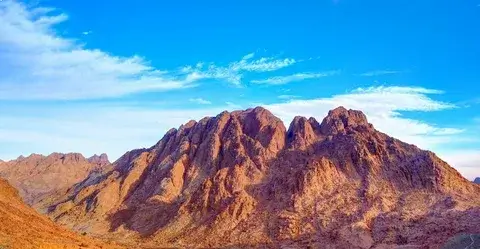 depth. Travelers, historians, and pilgrims continue to visit the area to experience its quiet power and timeless atmosphere, making it an enduring symbol of faith, endurance, and connection between humanity and nature.
Geographic Features of the Sinai Mountains
The physical landscape of the Sinai Mountains is dramatically different from much of Egypt’s desert terrain. The region is dominated by granite and volcanic rock formations that rise sharply from the surrounding plains. These mountains were shaped over millions of years through tectonic movement and erosion, resulting in steep cliffs, narrow gorges, and high-altitude plateaus. Mount Catherine, the highest peak in Egypt, stands as a defining feature of the region and offers sweeping views that highlight the raw beauty of the landscape. The cooler temperatures at higher elevations create a unique climate that supports limited vegetation and seasonal water sources.
Historical Importance of the Region
Throughout history, the Sinai Mountains have served as a crossroads for civilizations traveling between Africa and Asia. Ancient trade routes passed through the region, leaving behind archaeological traces that reflect its long-standing strategic importance. The mountains provided natural protection and isolation, making them ideal locations for spiritual retreat and settlement. Over centuries, this area became deeply embedded in historical narratives that shaped religious, cultural, and political developments across the region. The enduring presence of ancient pathways and ruins adds historical depth to the already powerful natural surroundings.
Religious Significance and Sacred Sites
One of the most defining aspects of the Sinai Mountains is their religious importance. The region is traditionally associated with Mount Sinai, where Prophet Moses is believed to have received the Ten Commandments. This belief has given the area sacred status in Judaism, Christianity, and Islam. At the base of Mount Sinai lies Saint Catherine’s Monastery, one of the oldest functioning Christian monasteries in the world. The monastery houses ancient manuscripts, religious icons, and historical texts that provide invaluable insight into early religious scholarship. These sacred connections continue to draw pilgrims seeking reflection and spiritual renewal.
Bedouin Culture and Traditional Life
The Sinai Mountains are also home to Bedouin tribes who have lived in the region for generations. These communities have developed a lifestyle closely connected to the land, relying on traditional knowledge to survive in a challenging environment. Bedouin culture emphasizes hospitality, oral storytelling, and respect for nature. Their understanding of mountain paths, water sources, and medicinal plants remains essential for navigating the region safely. Encounters with Bedouin guides often leave visitors with a deeper appreciation for the human resilience that defines life in the mountains.
Tourism and Outdoor Activities
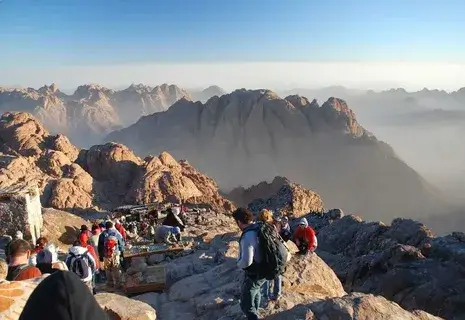
Adventure and eco-tourism play an increasingly important role in the Sinai Mountains. Hiking, trekking, and mountain climbing attract visitors seeking both physical challenge and emotional connection with nature. One of the most popular experiences is climbing Mount Sinai before dawn to witness the sunrise, an event often described as deeply moving. Despite the growing number of visitors, the region retains a sense of solitude and calm that is difficult to find elsewhere. Responsible tourism initiatives aim to balance economic opportunity with environmental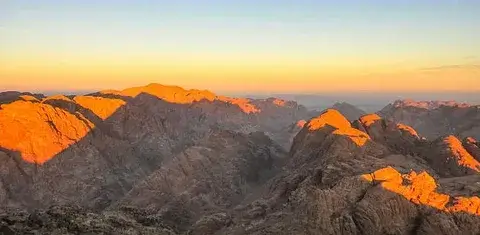 preservation.
Biodiversity and Environmental Value
Although the environment may appear harsh, the Sinai Mountains support a surprising range of plant and animal life. Rare desert plants have adapted to the rocky soil and limited rainfall, while animals such as ibex, hyrax, and desert foxes inhabit the region. Seasonal rainfall allows brief periods of greenery that sustain local ecosystems and traditional herbal practices. Protecting this fragile biodiversity is essential, as climate change and human activity pose increasing challenges to the natural balance of the region.
The Enduring Legacy of the Sinai Mountains
The Sinai Mountains continue to stand as a powerful symbol of endurance, spirituality, and natural beauty. Their significance extends beyond geography, offering lessons about patience, humility, and coexistence with nature. Whether viewed through a historical, religious, or environmental lens, the region holds a unique place in human heritage. As modern life grows faster and louder, the quiet strength of these mountains remains unchanged, inviting visitors to pause, reflect, and reconnect with something greater than themselves.